High COD is one of the most common causes of poor wastewater treatment performance, increased operating costs, and non-compliant effluent quality. In addition to placing significant stress on treatment systems, high COD also indicates that the water contains a large amount of organic matter capable of depleting dissolved oxygen and negatively affecting aquatic ecosystems.
For businesses, this is often the most critical concern. High COD means that the treatment system must handle a greater pollution load than normal.
Every wastewater treatment system is designed based on a specific flow rate and pollutant loading. When influent COD increases, treatment units must operate at a higher intensity to meet treatment requirements. If this condition persists, treatment efficiency may decline and equipment lifespan may be shortened.
In biological treatment systems such as AO, AAO, MBBR, SBR, and MBR, microorganisms play a key role in breaking down organic matter.
When COD rises suddenly, the microbial population may not have enough time to adapt, leading to shock loading. As a result, treatment efficiency decreases significantly, effluent quality may exceed regulatory limits, and microbial recovery can take several days.
Example: In seafood processing plants, wastewater generated from raw material washing can increase dramatically during peak production seasons. Influent COD may become several times higher than normal. If the equalization tank is not operating effectively, microorganisms in the biological reactor can experience shock loading, reducing treatment performance and causing elevated effluent COD levels.
The higher the COD, the greater the oxygen demand. This means that blowers must operate more frequently and consume more energy to provide sufficient oxygen for biological treatment.
In addition to higher electricity costs, businesses may also need to increase chemical dosing or supplement microbial cultures to maintain treatment efficiency, significantly increasing operating expenses.
When the COD load exceeds the treatment capacity of the system, effluent COD can easily surpass the limits specified in environmental regulations.
This is a common reason why many businesses are required to upgrade their treatment systems or adjust operational strategies to ensure treated wastewater meets discharge requirements.
Example: Many companies that expand production without upgrading their wastewater treatment facilities often experience a gradual increase in effluent COD over time. Although the system may still appear to be operating normally, the pollution load exceeds its treatment capacity, causing the treated wastewater to no longer comply with environmental standards.
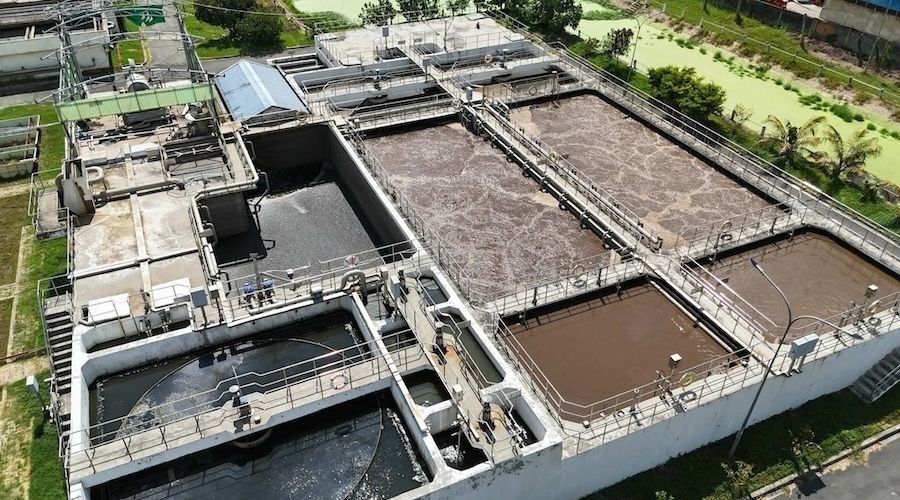
High COD levels can affect wastewater treatment systems.
When wastewater contains high COD levels and is discharged without adequate treatment, organic pollutants continue to decompose in natural water bodies. This process can create a variety of environmental problems.
Organic matter requires large amounts of oxygen to decompose. When COD is excessively high, dissolved oxygen in rivers, lakes, and canals is rapidly consumed, reducing the natural self-purification capacity of the water body.
This is a common reason why many water bodies remain polluted for extended periods, even when wastewater discharge volumes are relatively low.
Wastewater with high COD concentrations often contains large amounts of decomposing organic matter. As these substances accumulate in the environment, they can cause water discoloration, generate foul odors, and degrade the quality of receiving waters.
This situation is commonly observed in drainage canals, ponds, lakes, and areas receiving wastewater from manufacturing facilities, food processing plants, or livestock farms.
When dissolved oxygen levels become too low, fish, shrimp, and other aquatic organisms struggle to survive and grow. If oxygen depletion persists, aquatic ecosystems can become unbalanced, leading to reduced biodiversity and long-term degradation of water quality.
Example: In pangasius fish ponds in the Mekong Delta region, excessive accumulation of uneaten feed and organic waste can increase COD levels and reduce dissolved oxygen. Farmers often observe fish gasping at the surface early in the morning, reduced growth rates, or scattered fish mortality if water replacement and pond management measures are not implemented promptly.
In addition to its impacts on receiving waters, high COD directly affects the operation of wastewater treatment systems. This is also a major concern for businesses because it influences treatment performance, operating costs, and compliance with discharge standards.
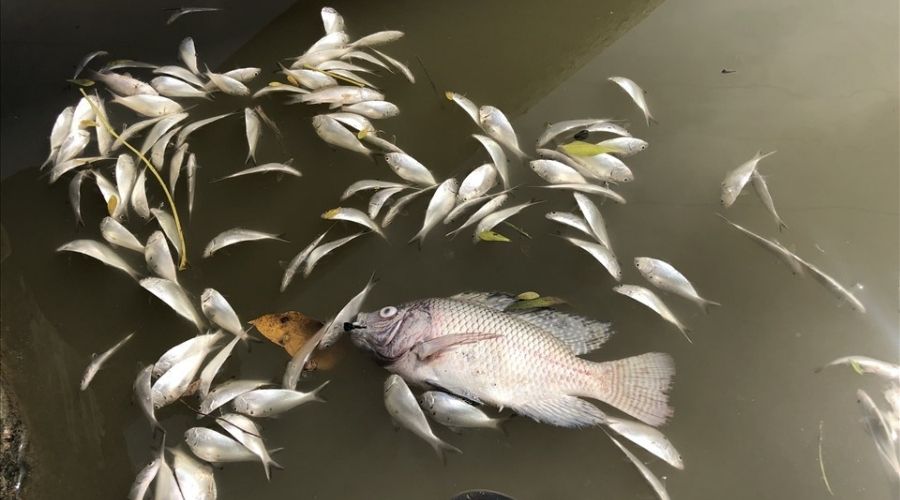
High COD levels in industrial wastewater have a serious impact on water sources.
In practice, high COD is not always detected immediately through laboratory analysis. Businesses can often identify potential problems through abnormal system behavior, such as:
Early detection of these warning signs allows businesses to take corrective action before serious system failures occur.
To minimize the impacts of high COD, businesses should:
High COD not only reflects the pollution level of wastewater but also directly affects environmental quality and the operational efficiency of wastewater treatment systems. Effective COD control helps businesses reduce operational risks, lower costs, and ensure treated wastewater complies with environmental discharge standards.
To gain a deeper understanding of this parameter, you may refer to the article “What Is COD in Wastewater?” for a more comprehensive overview of the role of COD in wastewater treatment system design and operation.
Dai Nam specializes in consulting, designing, constructing, and operating wastewater treatment systems for factories, industrial parks, hospitals, commercial buildings, and residential developments. With practical experience from numerous projects nationwide, Dai Nam supports businesses in controlling COD, BOD, and other pollution indicators to ensure wastewater complies with current environmental regulations.