COD is one of the most important parameters used to evaluate the pollution level of industrial wastewater. A higher COD value indicates a greater concentration of organic pollutants that must be treated before discharge into the environment. In practice, COD can originate from various sources, including raw material losses, oils and grease, organic chemicals, and cleaning activities within industrial facilities.
Understanding the sources of COD not only helps businesses select the most suitable treatment technology but also contributes to reducing operating costs and improving wastewater treatment efficiency. In this article, we will explore the most common sources of COD in industrial wastewater and the key considerations that businesses should be aware of.
Depending on the industry, COD concentrations in wastewater can range from a few hundred to tens of thousands of mg/L. Accurately identifying COD sources is essential for selecting appropriate treatment technologies, optimizing operational costs, and effectively controlling effluent quality.
COD (Chemical Oxygen Demand) is a parameter used to determine the amount of oxygen required to chemically oxidize organic substances and certain oxidizable inorganic compounds in water. It is one of the most important indicators for assessing the pollution level of industrial wastewater.
In practice, COD is commonly used to evaluate incoming pollution loads, monitor the performance of wastewater treatment systems, and control effluent quality. When COD levels become excessively high, treatment systems may become overloaded, consume more chemicals and energy, and increase the risk of non-compliance with environmental regulations.
COD is a critical indicator of organic pollution in wastewater. To better understand its definition, measurement methods, and role in wastewater treatment system design and operation, businesses should gain a thorough understanding of COD fundamentals before implementing treatment solutions.
 What is COD in industrial wastewater?
COD in industrial wastewater primarily originates from organic compounds found in raw materials, products, chemicals, and production-related activities. While the contribution of each source varies by industry, common COD sources generally include:
Each source produces different COD characteristics. Correctly identifying pollution sources is a critical step in selecting suitable treatment technologies and optimizing wastewater treatment system performance.
 High COD levels have a negative impact on the environment.
Although COD is present in most industrial wastewater streams, certain industries generate significantly higher COD loads due to their extensive use of organic raw materials or the large volume of organic by-products produced during manufacturing.
Food Processing Industry: Food processing wastewater typically contains high concentrations of starch, sugar, proteins, and fats. This sector is among the industries with the highest COD levels and often experiences substantial fluctuations based on production volume. COD concentrations in food processing wastewater commonly range from 2,000–10,000 mg/L, depending on raw materials and production processes.
Many people assume that COD concentration alone determines how difficult wastewater treatment will be. In reality, COD consists of both biodegradable and non-biodegradable organic compounds.
Wastewater containing readily biodegradable organic matter can often be treated effectively using biological treatment processes. However, if COD originates from dyes, solvents, or persistent organic compounds, additional physicochemical or advanced oxidation processes may be required.
For example, COD generated from starch, sugar, proteins, and natural organic compounds generally exhibits high biodegradability and can be effectively treated biologically. Conversely, COD from dyes, organic solvents, surfactants, and persistent organic pollutants is often more difficult to degrade and requires supplementary treatment methods.
COD and BOD are both indicators of organic pollution, but they represent different aspects of wastewater characteristics.
COD measures the total amount of oxidizable substances, whereas BOD reflects only the portion of organic matter that microorganisms can biologically degrade. Therefore, wastewater with very high COD may not always be suitable for biological treatment.
This is why wastewater treatment designers typically evaluate both COD and BOD when selecting treatment technologies and predicting treatment efficiency.
Rather than focusing solely on end-of-pipe treatment, businesses should prioritize reducing COD generation at the source.
Minimizing raw material losses, separately collecting oils and grease, and optimizing equipment cleaning procedures can significantly reduce pollutant loads before wastewater enters the treatment system.
This approach not only improves treatment performance but also reduces chemical consumption, energy usage, and long-term operating costs.
Regular COD Monitoring Helps Reduce Operating Costs
COD levels can fluctuate depending on raw materials, production output, and operational conditions.
Routine COD monitoring enables businesses to detect abnormalities early, such as raw material losses, treatment system overloading, or declining treatment efficiency.
By controlling COD variations, facilities can optimize chemical dosing, adjust operating conditions, and reduce the risk of environmental incidents.
High COD levels not only increase wastewater pollution but also directly impact treatment system performance.
When the COD load exceeds the treatment capacity of biological processes, microbial populations can become overloaded, leading to reduced treatment efficiency and non-compliant effluent quality.
In addition, elevated COD increases oxygen demand in biological reactors, significantly raising aeration energy costs. In many cases, businesses must also use more chemicals to support treatment processes, further increasing operational expenses and environmental risks.
Many businesses only pay attention to COD when monitoring results exceed regulatory limits or when treatment systems encounter operational problems.
However, accurately identifying COD sources from the beginning provides several important benefits:
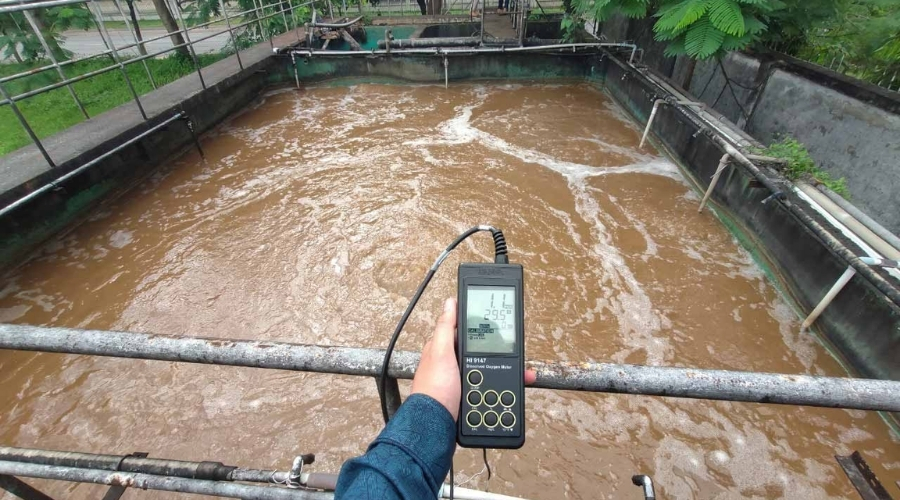 Check the COD level before discharging into the environment.
What COD Level Is Considered High?
The definition of high COD depends on the type of wastewater. However, for many biological treatment systems, COD concentrations of several thousand mg/L or higher generally require careful evaluation to determine the most suitable treatment approach.
Does High COD Affect Microbial Activity?
Yes. Excessively high COD can create sudden increases in organic loading, potentially overloading microbial populations, reducing treatment efficiency, and causing shock loading conditions.
How Can COD Be Reduced Effectively?
Businesses should combine source control measures with appropriate treatment technologies, such as biological treatment, physicochemical treatment, or advanced oxidation processes, depending on wastewater characteristics.