The leather tanning industry uses substantial amounts of water and chemicals to convert animal hides and skins into materials for footwear, handbags, furniture, and other leather products. Throughout the production process, wastewater may contain organic matter, suspended solids, sulfide, chromium, and dissolved salts. Differences in pollutant composition among wastewater streams, together with fluctuations in pH and pollutant loading, present significant challenges for collection, technology selection, and the operation of tannery wastewater treatment systems.
Tanning is the process of treating animal hides and skins to limit natural decomposition while imparting durability, softness, and properties suited to their intended use. To produce finished leather, raw materials generally undergo several stages, including cleaning, unhairing, tanning, dyeing, and surface finishing.
Unlike footwear manufacturers or facilities that process finished leather into products, tanneries use water directly in many production stages. Water is used not only to clean raw materials but also as a medium for dissolving chemicals and carrying out leather treatment processes.
Because different groups of chemicals are used at each stage, tannery wastewater does not have a uniform composition. Some streams contain high levels of organic matter and solids, while others may contain sulfide, chromium, or high concentrations of dissolved salts.
Therefore, identifying the characteristics of each wastewater source is essential for developing collection and treatment approaches suited to the tannery's production activities.
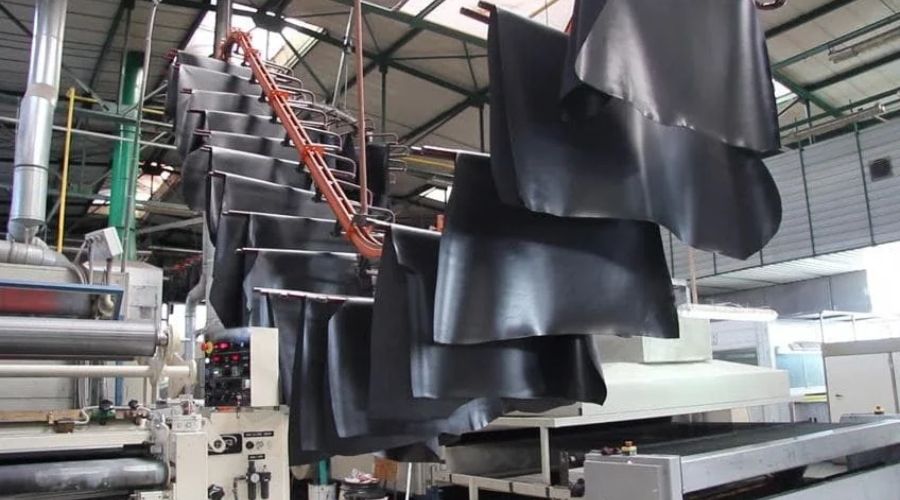
Leather manufacturing industry
Production processes may vary between tanneries depending on the type of raw hides or skins, the tanning method, and product requirements. However, wastewater sources can generally be divided into three groups corresponding to hide preparation, tanning, and leather finishing.
Before tanning, raw hides and skins typically undergo soaking, cleaning, unhairing, liming, deliming, and bating. These processes remove unwanted materials and prepare the hide structure for the penetration of tanning agents.
Wastewater from soaking and cleaning may contain blood, proteins, fats, dirt, and residual salt from raw hide preservation. These constituents increase the organic matter, suspended solids, and dissolved salt content of the wastewater.
Wastewater from unhairing and liming is generally alkaline and may contain sulfide if sulfide-based chemicals are used. In addition, deliming processes that use ammonium salts may increase ammonium and total nitrogen concentrations in the wastewater.
The hide preparation stage often contributes significantly to the overall organic pollutant loading of the production process.
Tanning stabilizes the collagen structure of hides and skins, improves resistance to decomposition, and provides the properties required for the finished product. Depending on production requirements, facilities may use chromium salts, vegetable tannins, or other tanning agents.
In chrome tanning, wastewater may contain chromium that has not been fully absorbed by the hides. The form of chromium commonly used in this process is trivalent chromium (Cr³+).
In addition to chromium, wastewater from preparatory tanning and tanning operations may contain salts, acids, and auxiliary processing chemicals. Pollutant concentrations depend on chemical consumption, the uptake efficiency of the hides, and the extent to which tanning liquors are recovered.
However, not all tannery wastewater contains chromium from tanning chemicals. Processes using vegetable tannins or chromium-free tanning agents may generate wastewater with different characteristics, particularly in terms of organic matter and color.
After tanning, leather undergoes further processes such as retanning, neutralization, dyeing, fatliquoring, and surface finishing to achieve the color, softness, and other characteristics required for the final product.
Wastewater from this stage may contain dyes, surfactants, oils and grease, and organic compounds from production chemicals. Certain wet finishing and equipment cleaning activities may also generate wastewater containing specific contaminants.
Depending on the dyes and chemicals used, wastewater may have high color intensity or contain organic compounds that are difficult to biodegrade. These factors should be considered when selecting treatment methods and controlling effluent quality.
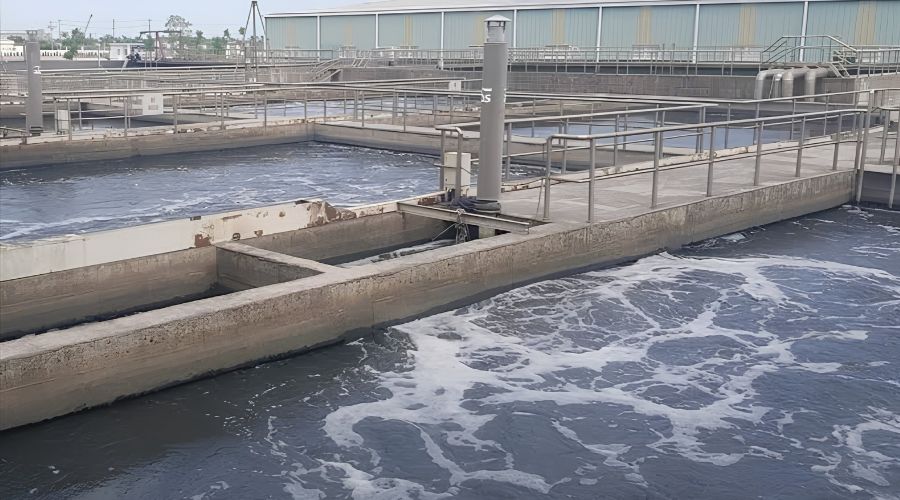
Wastewater generated by the leather tanning industry
Tannery wastewater may contain multiple groups of pollutants with different characteristics. In addition to organic loading, the presence of sulfide, chromium, and dissolved salts can affect the performance of wastewater treatment systems.
|
Pollution Parameter |
Characteristics and Effects on Treatment |
|
BOD and COD
|
Originate from proteins, fats, and organic chemicals, increasing the treatment load and oxygen demand associated with biodegradable organic matter. |
|
TSS |
Mainly consists of hair, hide fragments, lime residues, and other solids that may cause blockages or accumulate in treatment units. |
|
Sulfide |
Associated with unhairing and liming, with a risk of hydrogen sulfide (H₂S) release when pH decreases. |
|
Chromium |
Primarily originates from chrome tanning and may affect microbial activity and effluent quality. |
|
Ammonium and Total Nitrogen |
Originate from proteins in hides and ammonium-containing chemicals, increasing the nitrogen treatment load. |
|
TDS and Salinity |
Associated with hide preservation salts and production chemicals, potentially inhibiting microorganisms at high concentrations. |
|
pH |
Fluctuates between stages using acids and alkalis, affecting the operating conditions of the treatment system. |
|
Color |
Originates from dyes and tanning agents and may be difficult to remove using conventional biological treatment. |
|
Oil and Grease |
Originate from natural fats in hides and fatliquoring chemicals and may interfere with oxygen transfer and biological treatment. |
A major challenge is the variation in pollutant composition and loading between production stages. Many tanning operations are carried out in batches, causing flow rates, pH, and pollutant concentrations to fluctuate throughout the day. Without adequate equalization, these fluctuations may impair the performance of downstream treatment processes.
In addition, combining wastewater streams without appropriate control may pose risks. For example, when sulfide-containing wastewater from unhairing comes into contact with an acidic stream, hydrogen sulfide (H₂S) gas may be released. This toxic gas can endanger operators and people in surrounding areas.
In biological treatment, high concentrations of chromium or sulfide, or high salinity, may inhibit microbial activity. In particular, ammonium conversion and nitrogen removal may become difficult if the microbial community has not adapted or operating conditions are unsuitable.
Furthermore, poorly biodegradable organic compounds and most dissolved salts are not effectively removed by conventional biological treatment. Therefore, tannery wastewater treatment must emphasize the control of specific pollutants rather than focusing solely on reducing BOD and COD.
Because several pollutant groups may be present, tannery wastewater treatment systems typically combine pretreatment, physicochemical treatment, and biological treatment. Early control of sulfide and chromium is especially important for the effectiveness and stability of subsequent treatment stages.
Rather than collecting all wastewater streams together immediately after generation, tanneries may provide separate treatment facilities for streams containing specific pollutants.
Once specific pollutants have been adequately controlled, wastewater may be directed to an equalization tank to stabilize flow rates and pollutant loading, with pH adjustment where necessary.
Physicochemical treatment is commonly used to remove suspended solids, oil and grease, some organic matter, and color from wastewater. Coagulation and flocculation followed by sedimentation, or dissolved air flotation (DAF), may be selected according to wastewater characteristics and solids separation requirements.
For wastewater with high organic loading or limited biodegradability, a hydrolysis-acidification stage may be considered to improve biodegradability before the wastewater enters subsequent treatment units.
During biological treatment, combining anoxic and aerobic conditions helps remove organic matter and nitrogen compounds. However, treatment performance also depends on inhibitory substance concentrations, salinity, carbon availability, organic matter biodegradability, and the adaptation of the microbial community.
Depending on available space, wastewater characteristics, and required effluent quality, enterprises may consider conventional activated sludge systems or membrane bioreactor (MBR) technology.
After physicochemical and biological treatment, tannery wastewater may still contain color, poorly biodegradable organic matter, or high concentrations of dissolved salts.
Filtration, adsorption, or advanced oxidation processes may be considered to improve water quality by removing residual pollutants. Technology selection should be based on the characteristics of each pollutant and specific treatment objectives.
Where reduction of dissolved salts or water reuse is required, enterprises may consider membrane technologies such as reverse osmosis (RO), together with suitable pretreatment and concentrate management measures.
In addition to effluent quality, sludge generated during treatment, particularly chromium-containing sludge, must be classified and managed according to its waste characteristics and applicable regulations.
Overall, no single fixed treatment train is suitable for every tannery. The selection and combination of treatment stages should be based on wastewater analysis results, production process characteristics, and the actual discharge requirements of each facility.
Tannery wastewater has complex pollution characteristics due to the use of various chemicals throughout production. In addition to organic matter and suspended solids, constituents such as chromium, sulfide, ammonium, and dissolved salts can present considerable treatment challenges.
Segregating wastewater streams, controlling potentially inhibitory substances, and appropriately combining pretreatment, physicochemical, and biological processes are fundamental to improving treatment efficiency and maintaining system stability.
With experience in industrial wastewater treatment, Dai Nam Environmental Solutions Joint Stock Company provides consulting, design, construction, rehabilitation, and operation services for wastewater treatment systems, focusing on solutions suited to the wastewater characteristics and actual production conditions of each enterprise.