Where Does Domestic Wastewater Go? Current Effective Treatment Methods

Date public: 26-01-2026||View: 18990

Currently, everyday human activities such as bathing, washing clothes, cooking, and personal hygiene all generate a large amount of wastewater. However, few people truly pay attention to where domestic wastewater goes after it leaves our homes, and how serious the impacts can be on the environment and public health if it is not treated properly. As water pollution continues to increase, understanding where domestic wastewater goes and the effective treatment methods has become an urgent issue, contributing to environmental protection and sustainable development.

1. What is domestic wastewater?

Domestic wastewater is water generated from daily living activities of people in households, residential areas, schools, hospitals, hotels, or public facilities. This type of water originates from bathing, laundry, cooking, and personal hygiene, and contains many impurities such as organic matter, grease, dirt, bacteria, and harmful microorganisms.

If not properly collected and treated, domestic wastewater can cause serious pollution to surface water and groundwater, directly affecting the environment and human health. Therefore, understanding the concept of domestic wastewater is an important basis for developing appropriate treatment solutions, contributing to environmental protection and improving quality of life.

Domestic wastewater is water generated from daily living activities of people

2. Where does domestic wastewater go?

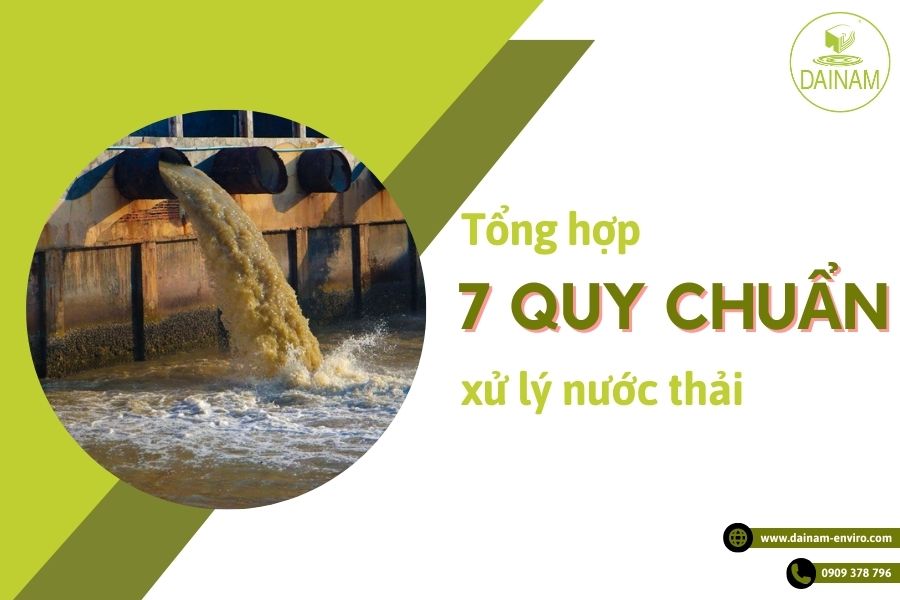
After being generated from daily activities such as bathing, laundry, cooking, and personal hygiene, domestic wastewater is discharged from residential areas through various pathways. The direction of wastewater flow largely depends on the drainage system, the level of technical infrastructure investment, and people's awareness of environmental protection. In areas with complete treatment systems, wastewater is collected and treated before being discharged into the environment. In many other places, however, wastewater is still discharged directly, causing water pollution and affecting ecosystems as well as public health. Specifically, domestic wastewater often goes to the following places:

  • Flowing into the common residential drainage sewer system
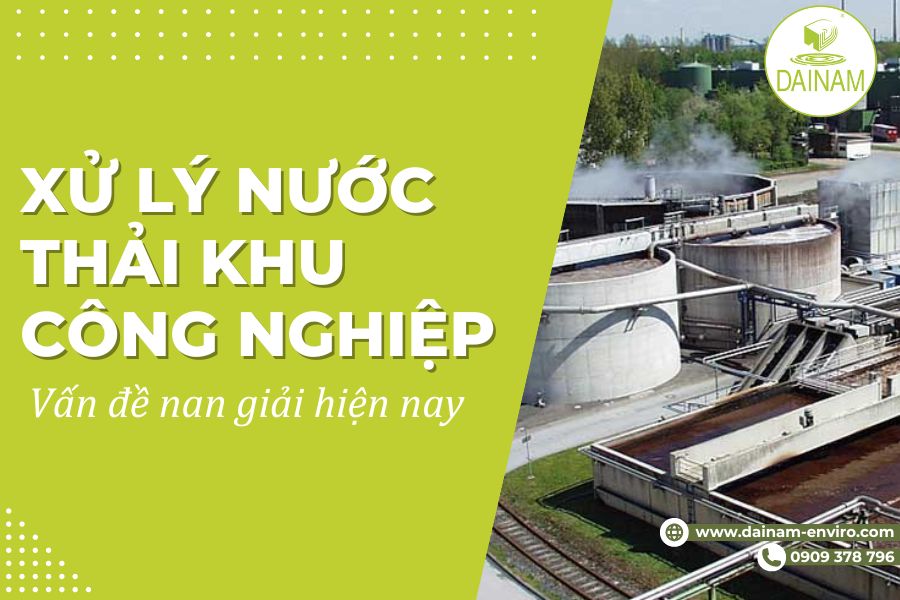
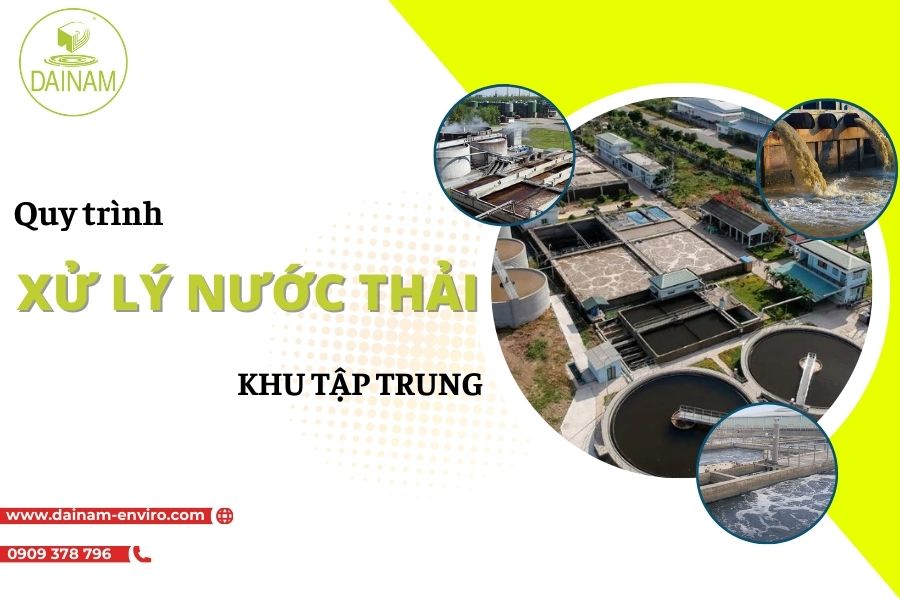
  • Being conveyed to centralized wastewater treatment plants for treatment to meet standards
  • Discharging directly into ponds, lakes, rivers, canals, and surrounding waterways
  • Seeping into the ground and gradually polluting groundwater sources
  • Being discharged directly into the environment without any treatment measures

3. The best methods for treating domestic wastewater

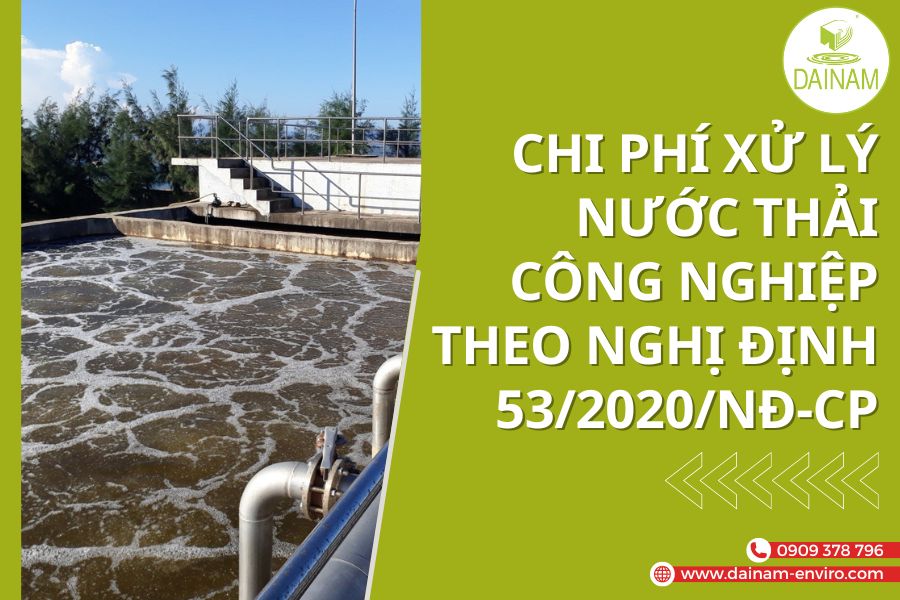
To effectively treat domestic wastewater, many modern technologies are currently widely applied. Each treatment method has its own operating principle and is suitable for different scales and conditions of use. Choosing the right technology not only helps reduce environmental pollution but also contributes to protecting water resources and public health. Common domestic wastewater treatment methods include:

Many modern technologies are being applied to suit different scales and conditions of use

  • SBR method: This is a batch treatment technology that operates in a single tank with sequential stages such as wastewater intake, aeration, sedimentation, and discharge of treated water. This process helps save space and effectively control effluent quality.
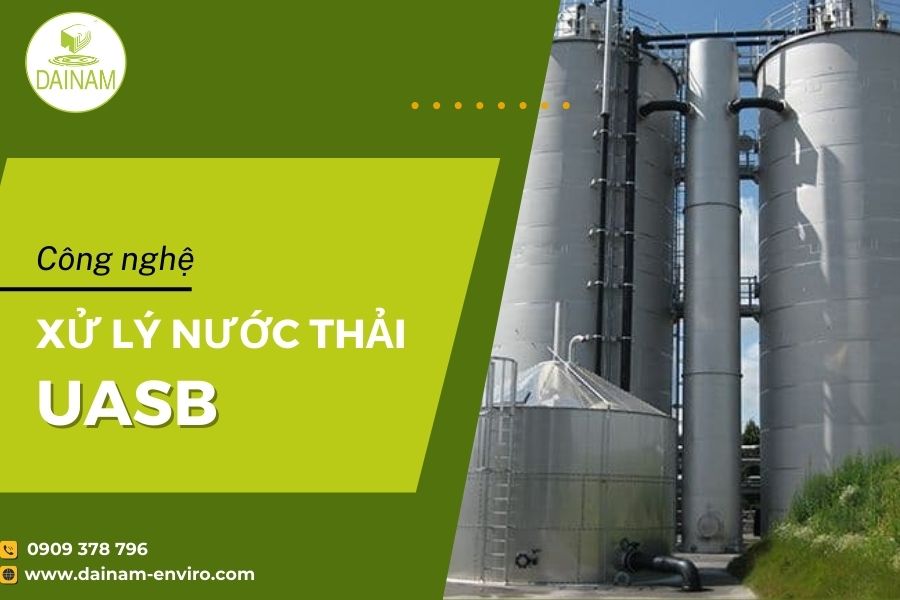
  • UASB method: This is a biological treatment technology operating under anaerobic conditions, where wastewater flows upward from the bottom of the tank at a slow velocity. The UASB tank is designed with a water distribution system, a biological reaction zone, and a gas–sludge–water separation unit, enabling effective decomposition of organic matter.
  • MBBR method: This technology uses moving carriers in the biological tank to increase the surface area for microorganisms to attach. As a result, the ability to remove pollutants such as nitrogen and phosphorus is improved, making it suitable for many modern treatment systems.
  • AAO method: This is a treatment process combining three biological environments: anaerobic, anoxic, and aerobic. This combination enables microorganisms to effectively break down pollutants in wastewater before discharge into the environment.
  • MBR method: This technology integrates biological treatment with membrane filtration, allowing complete separation of sludge and microorganisms from treated water. This method produces high-quality effluent that meets strict discharge standards.

DAI NAM ENVIRONMENTAL SOLUTIONS CO., LTD, with nearly 10 years of experience in wastewater treatment in general and domestic wastewater treatment in particular. If customers need consultation, design, or construction of domestic wastewater treatment systems for residential areas, apartment buildings, or industrial parks, please contact us via hotline: 0909 378 796.

CONTACT INFO