In the wastewater treatment industry, evaluating the quality of activated sludge is a critical factor in ensuring the effectiveness of treatment systems. One of the most common and reliable indicators used to assess sludge quality is the SVI index. This index not only helps wastewater treatment engineers evaluate the settling ability of sludge but also provides valuable insights into the performance of biological processes within the system. In this article, we will explore in detail the calculation method, significance, and applications of the SVI index in assessing wastewater quality and optimizing treatment processes.
The SVI index (Sludge Volume Index) is an important parameter in the wastewater treatment field, used to evaluate the settling characteristics of sludge in biological wastewater treatment systems. SVI reflects the degree of sludge expansion after settling, thereby indicating the stability and quality of activated sludge during the treatment process. This index is calculated as the ratio between the volume of settled sludge (in milliliters) after 30 minutes and the concentration of sludge in the mixed liquor (in mg/L).
A low SVI value generally indicates good settling characteristics, while a high value may suggest weak or unstable sludge, or uneven growth of microorganisms.
Monitoring and controlling the SVI index helps engineers and system operators assess the effectiveness of biological treatment processes in breaking down pollutants. When SVI is too high, it may indicate excessive sludge accumulation, leading to clogging or reduced system performance. Therefore, this index plays a vital role in process optimization and ensuring treated wastewater meets required standards.
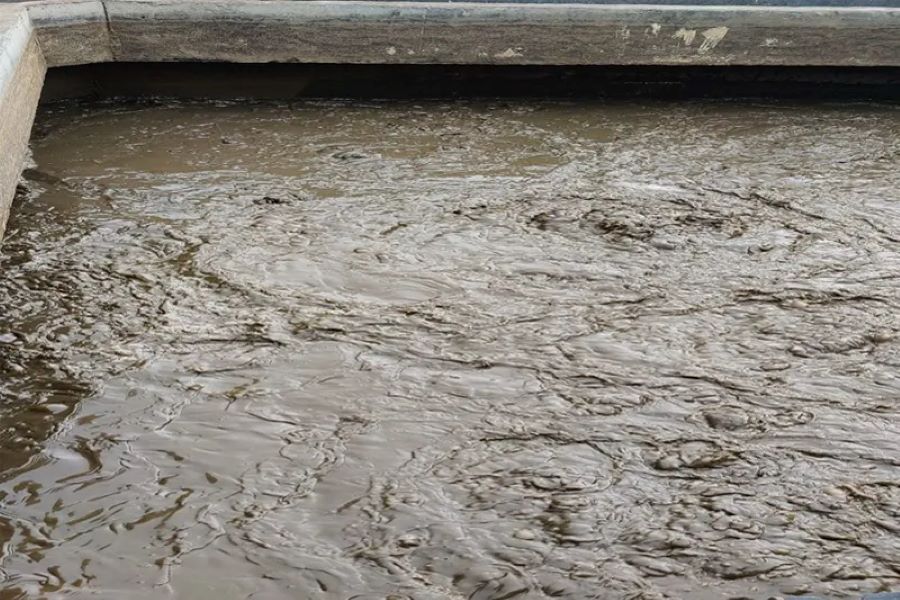
The SVI index evaluates the settling ability of sludge in biological wastewater treatment systems
The SVI index plays a crucial role in evaluating sludge quality and the efficiency of biological wastewater treatment processes. Calculating this index helps determine sludge settling ability, allowing operators to adjust system parameters to improve treatment performance. To calculate the SVI index, follow these steps:
The formula for calculating the SVI index is as follows:
V × 1000
MLSS
Where:
This formula helps determine sludge settling performance and evaluate the quality of activated sludge in the aeration tank. The lower the SVI value, the better the sludge settles and the more stable the treatment system operates.
The relationship between the SVI index and sludge condition provides a useful tool for identifying sludge quality and system status. Below is an interpretation of SVI ranges and their corresponding conditions:
An elevated SVI index indicates poor settling characteristics of activated sludge. This condition is often caused by operational issues, environmental factors, or system imbalance, including:
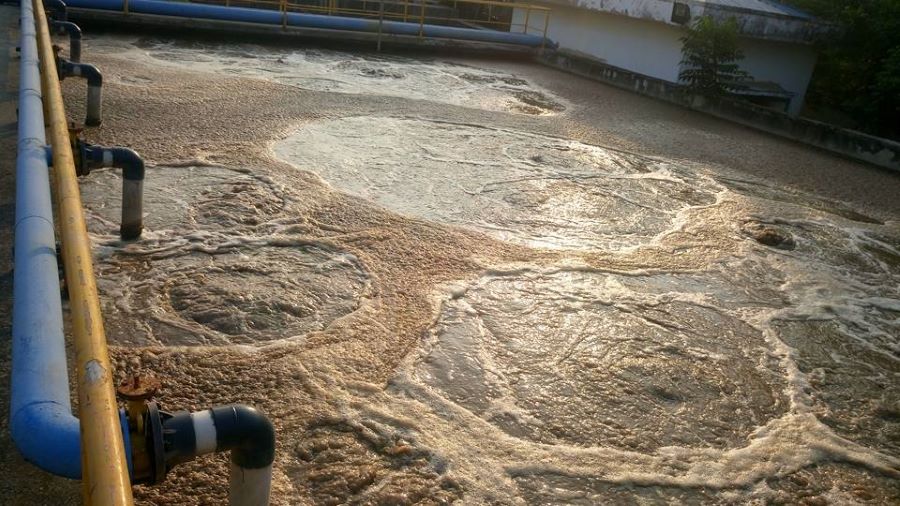
Key thresholds to note when the SVI index increases
To enhance settling performance, coagulants or polymers can be added to strengthen sludge floc bonding. When sludge becomes fluffy, selective sludge return can help retain well-settling sludge. Maintaining microbial diversity also helps stabilize sludge structure and reduce SVI to normal levels.
When SVI increases, it is necessary to review operational parameters such as organic loading, MLSS concentration, and sludge retention time. Increasing aeration ensures stable dissolved oxygen levels, promoting balanced microbial growth and better floc formation. Regular monitoring of the F/M ratio and proper sludge wasting are also essential to maintain appropriate sludge age.
Limiting filamentous bacteria growth can be achieved by adjusting the C:N:P nutrient ratio to avoid nitrogen or phosphorus deficiency. Selective control measures such as increased aeration, temporary anoxic zones, or specialized chemicals may also be applied. Maintaining stable pH, temperature, and influent water quality helps microorganisms perform efficiently and improves sludge settling.
The SVI index (Sludge Volume Index) is one of the core parameters used to evaluate activated sludge quality and the effectiveness of wastewater treatment systems. Regular monitoring and control of this index enable operators to detect problems early, adjust processes promptly, and ensure treated wastewater meets environmental standards.
If your business is looking for professional, effective, and cost-efficient wastewater treatment solutions, Dai Nam Environment Solutions is a reliable choice. With many years of experience in designing, constructing, and operating wastewater treatment systems across various sectors—from industrial and domestic to food processing—we are committed to delivering optimal solutions, advanced technologies, and dedicated after-sales services. Contact Dai Nam today for free consultation and to partner with us in protecting a green, clean, and sustainable environment.