Fixed biological media and moving biological media both provide a surface for microorganisms to attach, but they differ significantly in structure, operating mechanism, auxiliary equipment, and application scope. If the selection is based solely on purchase price or surface area parameters, the system may encounter clogging, inadequate mixing, or failure to achieve the expected biomass increase.
To make an appropriate choice, it is necessary to simultaneously consider wastewater characteristics, pollution load, tank volume, treatment goals, and actual operating conditions. The article below analyzes the differences between the two types of media, while clarifying the technical and cost factors to be evaluated before application.
In the biological treatment process, microorganisms can exist either suspended in activated sludge or attached to the surface of materials to form a biofilm. Media is used to create additional surface area for the biofilm to grow, thereby increasing the amount of biomass that can be maintained within the same tank volume.
The biofilm on the media can participate in decomposing organic matter, help reduce BOD and COD, and carry out ammonia nitrification or denitrification depending on the aerobic or anoxic conditions and the applied technology. Maintaining attached biomass is also beneficial for slow-growing groups of microorganisms, particularly nitrifying bacteria.
However, the media does not directly treat pollutants and does not automatically increase the system's capacity. Treatment efficiency depends on the density and activity of the biofilm, along with factors such as pollution load, dissolved oxygen, pH, temperature, mixing capability, and the level of contact between the wastewater and the media surface.
When increasing the amount of biomass in the tank, the downstream aeration, mixing, recirculation, and settling structures must also be checked synchronously. If these items do not meet the requirements, adding more media may not yield the corresponding efficiency.
The fundamental difference between the two groups lies in their arrangement within the tank. Fixed media is held in one position for wastewater to contact or flow through, while moving media moves in the water thanks to aeration or mixing equipment.
Fixed biological media usually comes in the form of sheets, fibers, meshes, honeycombs, or modules and is installed on a supporting frame system within the tank. Wastewater comes into contact with the material's surface, creating conditions for microorganisms to attach and form a biofilm.
Advantages: This type of media has a stable structure, is not subjected to continuous impact during operation, and can be arranged in anaerobic, anoxic, or aerobic environments. Depending on the technology, the water flow can be horizontal, vertical, or recirculated through the media zone.
Limitations: It is important to note the potential for sludge and debris accumulation in the gaps or spaces between the modules. This risk increases when the wastewater has high TSS, poorly separated grease, an overly dense layout, or uneven flow distribution.
When the biofilm grows too thick, the inner layer may lack substrates or oxygen, reducing the actual active surface area. Therefore, the design needs to consider installation density, supporting frame structure, flow direction, and accessibility for inspection or cleaning when necessary.
.jpg)
Hewitech CF Series fixed biological media
Moving biological media usually consists of small plastic beads or blocks with many slots, grooves, and protected chambers. This type of media is commonly applied in MBBR technology and some IFAS (Integrated Fixed-film Activated Sludge) systems that combine suspended and attached biomass.
In the aerobic tank, the aeration system provides both oxygen for the microorganisms and movement for the media. For the anoxic tank, mixing equipment is used to maintain movement while limiting the introduction of additional oxygen into the tank.
Continuous movement helps the biofilm contact wastewater and nutrients better. Hydraulic shear forces and collisions between media particles also contribute to controlling the biofilm's thickness, removing a portion of old biomass, and maintaining an appropriately active film layer.
For stable operation, the tank requires retaining screens to keep the media inside, and the aeration or mixing system must ensure the media is distributed and moves relatively evenly. If mixing energy is insufficient, the media can concentrate in one area, reducing the actual contact area and causing sludge accumulation.
The amount of media must be calculated according to the pollution load, usable surface area, and tank volume. Increasing the fill ratio without checking the aeration, mixing, and media retention capabilities can increase costs without correspondingly improving treatment efficiency.
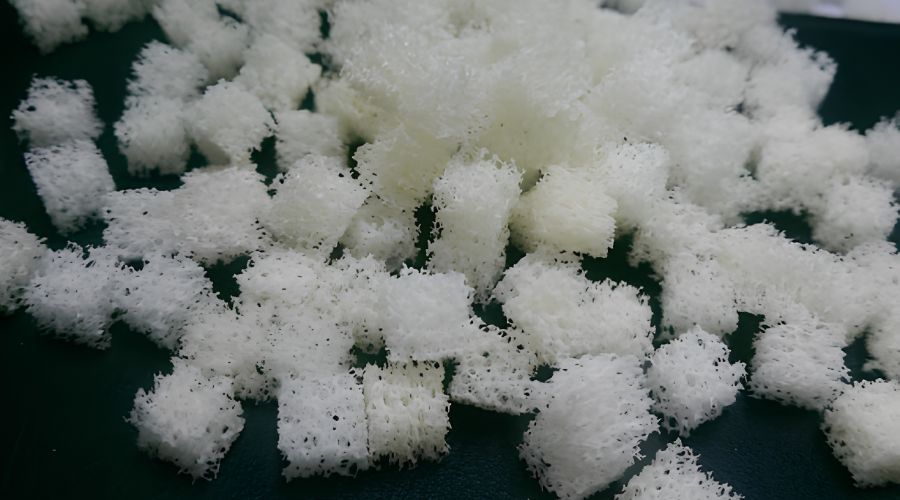
Aquaporousge moving biological media
Although both create an environment for microorganisms to attach, the two types of media have significant differences in structure, operating methods, and auxiliary items. Refer to the following table:
|
Criteria |
Fixed Biological Media | Moving Biological Media |
|
Arrangement |
Installed firmly on frames or supporting structures |
Moves freely in the tank |
|
Common forms |
Sheets, fibers, mesh, honeycomb, modules | Small plastic beads or blocks |
| Contact capability | Depends on flow direction and distribution | Flexible thanks to continuous movement |
|
Solids accumulation potential |
Must control solids in gaps and weak flow areas | Less likely to form mass clogs, but solids can still accumulate if mixing is insufficient |
|
Application environment |
Anaerobic, anoxic, or aerobic |
Common in anoxic and aerobic |
|
Common technology |
Fixed-film technology |
MBBR, some IFAS systems |
|
Auxiliary equipment |
Supporting frames and fixed structures | Retaining screens, aeration system, or mixing equipment |
| Maintenance requirements | Needs accessibility for inspecting and cleaning the media area | Must check retaining screens, air distribution, and media movement |
| Ability to upgrade existing tanks | Depends on space and installation structure | Relatively flexible if tank shape and auxiliary equipment are suitable |
|
Cost factors |
Media, supporting frames, installation, and maintenance | Media, screens, aeration, mixing, and electrical energy |
No single type of media is better in all cases. Fixed media has the advantage of a stable structure, while moving media is more flexible in its ability to contact wastewater and is often favorable when applying MBBR technology or upgrading existing tanks.
Actual efficiency depends not only on the media's shape but is also related to the usable surface area, allowable treatment load, fill ratio, flow characteristics, and operating conditions of each system.
Media can be used in anaerobic, anoxic, and aerobic tanks. However, the type of media, layout density, and mixing mechanism must suit the biological environment and treatment goals of each stage.
In some anaerobic technologies using fixed biofilms, the media provides a surface for anaerobic microorganisms to attach and helps maintain a longer biomass retention time. This is significant for slow-growing groups of microorganisms and systems that need to retain biomass under oxygen-free conditions.
Wastewater entering the media zone must be controlled for TSS, grease, and components that can cause scaling. The flow must also be distributed relatively evenly to limit the formation of dead zones or localized clogging.
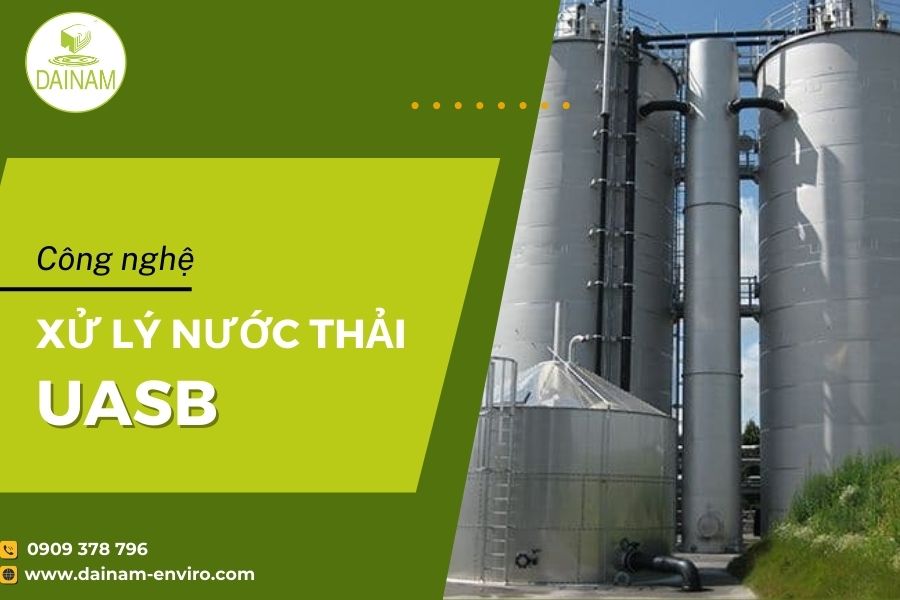
Not all anaerobic tanks require additional media. For example, UASB technology primarily maintains biomass in the form of granular sludge and has a different microbial retention mechanism than an anaerobic tank using a fixed biofilm.
In the anoxic tank, both fixed and moving media can create an environment for biofilm development, supporting the denitrification process and contributing to the removal of Total Nitrogen from the wastewater.
For moving media, mixing equipment must maintain movement and increase contact between the biofilm, wastewater, and carbon source. At the same time, dissolved oxygen needs to be controlled at an appropriate level to avoid degrading the anoxic conditions.
Adding media will not completely resolve high effluent Total Nitrogen if the system lacks a carbon source, has improper nitrate recirculation, or inadequate retention time. Therefore, the entire process must be evaluated rather than just increasing the amount of media in the tank.
Both types of media can be used in an aerobic tank, with moving media being particularly common in MBBR technology. The biofilm on the media participates in decomposing organic matter and supports ammonia nitrification when dissolved oxygen, pH, alkalinity, and load are maintained appropriately.
In IFAS systems, media is added to the activated sludge tank so the system simultaneously maintains suspended and attached biomass. This approach can help increase the amount of microorganisms in the tank without necessarily expanding the structure's volume.
However, when increasing biomass and the amount of sloughed-off sludge from the biofilm, the downstream settling, recirculation, and sludge discharge capabilities must be checked. If the settling tank or sludge separation system does not meet requirements, effluent solids can still increase even if biological conversion efficiency in the tank is improved.
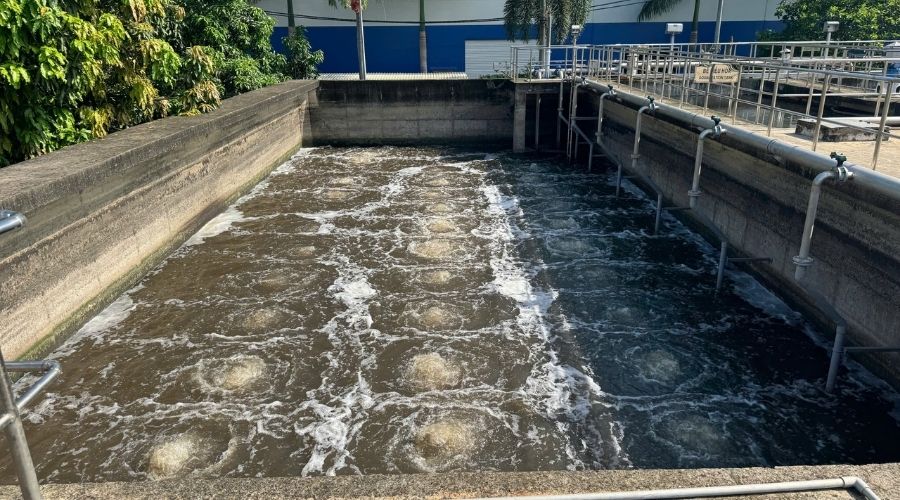
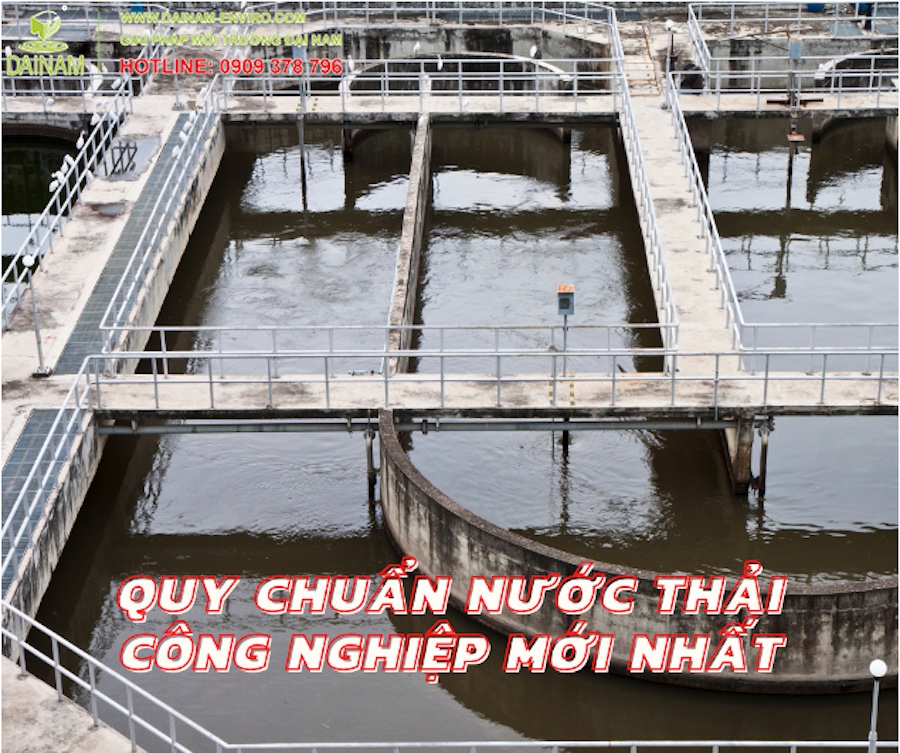
Aerobic tank in a wastewater treatment system
Selecting media should begin with the survey and calculation results of the system, rather than just comparing designs or unit prices per cubic meter. Parameters to consider include inlet concentration, wastewater flow rate, BOD, COD, ammonia, and nitrogen loads calculated in kg/day, tank volume, retention time, and output water quality goals.
Surface area must also be considered for its true nature. The parameter of m²/m³ of media is only meaningful when that surface is actually favorable for the biofilm to form and contact wastewater. For MBBR media, the protected surface area usually has a more practical value than the total nominal surface area.
The media fill ratio must be appropriate for the tank's usable volume and mixing capability. A ratio that is too low may not provide enough biofilm area, while a ratio that is too high increases movement resistance, aeration demand, the risk of media concentration, and investment costs.
The material and density of the media directly affect durability and operability. Moving media must have an appropriate density to move in the water, while also withstanding collisions and the chemical environment of the wastewater. For fixed media, the material must ensure long-term durability and be compatible with the supporting frame system.
Investment costs need to be evaluated based on the complete solution. For fixed media, besides the material, there are costs for the supporting frame, installation, and providing maintenance space. For moving media, additional costs include retaining screens, aeration or mixing systems, and operational electrical energy.
A type of media with a lower unit price may not necessarily create a more economical option if a large volume is needed or if many auxiliary items arise. Conversely, media with a high surface area may not be suitable if the system cannot ensure contact, oxygen supply, or solids control.
Therefore, it is necessary to compare the total cost, including media material, volume used, auxiliary equipment, installation, electricity, maintenance, and the ability to meet long-term treatment goals.
Fixed media is suitable for technologies that require attached materials to be maintained stably in one position and have appropriate flow conditions. When used, it is necessary to properly control TSS, grease, layout density, and accessibility for inspection or cleaning.
Moving media is often chosen for MBBR technology, IFAS systems, or cases where the amount of biomass needs to be increased within a limited tank volume. This option is particularly suitable when the tank has a favorable shape, the aeration or mixing system is capable of handling the load, and technically sound retaining screens can be arranged.
For existing tanks, media should not be added before checking the tank volume, actual load, blower capacity, mixing efficiency, clarifier capability, and sludge recirculation system. Media is only a part of the upgrade solution and must be calculated synchronously with the remaining structures.
Both fixed and moving biological media can be effective when chosen for the right goals and operated under appropriate conditions. The final decision should be based on wastewater characteristics, pollution load, existing technology, auxiliary equipment capabilities, and total investment and operational costs, rather than solely on purchase price or surface area.
For new builds, capacity upgrades, or renovation needs, Dai Nam provides solutions ranging from current status surveys and load analysis to calculating, selecting, and arranging suitable media. The plan is built on the synchronization of technology, equipment, and actual operating conditions, aiming for stable treatment efficiency and long-term cost optimization.