With increasingly stringent environmental protection requirements, wastewater treatment systems have become a mandatory component for many types of projects. Preparing a cost estimate for a wastewater treatment system plays an important role in determining the total investment budget, controlling costs, and selecting an appropriate treatment technology solution from the initial stage. A detailed and accurate cost estimate not only supports effective budget control but also serves as an important basis for selecting suitable treatment technology, optimizing performance, and minimizing long-term operating costs.
Wastewater treatment system cost estimation is the process of estimating all costs required to construct, install, and operate a wastewater treatment system over a certain period of time. The estimate includes various cost items such as design, construction, equipment, installation, and operation. Preparing a cost estimate helps the investor proactively plan the project budget from the preparation stage, thereby establishing a suitable financial plan and effectively controlling costs throughout the project life cycle.
In design and construction, cost estimation plays an extremely important role because it serves as the basis for selecting the treatment technology, facility scale, and level of system automation. An accurate estimate helps minimize the risk of cost overruns, ensures construction progress, and optimizes operational efficiency. At the same time, it is also a basis for comparing and selecting contractors as well as assessing the project’s feasibility before actual implementation.
Common types of wastewater treatment systems:
.jpg)
Wastewater treatment system cost estimation is the process of estimating all costs required for construction.
The preparation of a wastewater treatment system cost estimate must be based on multiple technical and practical factors to ensure accuracy. These bases help determine the correct scale, technology, and investment cost suitable for each specific project.
In a wastewater treatment system estimate, costs are divided into different categories to fully reflect the entire investment and operation process. Clearly separating each cost group helps investors better control the budget and optimize financial efficiency.
Design costs include site surveys to assess construction conditions and influent wastewater characteristics. This item also includes the preparation of basic design documents and detailed technical designs. A well-planned design helps optimize costs and minimize risks during implementation. This is an important step that determines the overall effectiveness of the system in the future.
Construction costs include building treatment tanks such as equalization tanks, aeration tanks, and sedimentation tanks according to the technical design. In addition, this category also includes the cost of constructing an operation building for system management. Supporting infrastructure such as pipelines, foundations, and auxiliary works is also included in this category. This item usually accounts for a large proportion of the total investment.
Equipment costs include major machinery such as blowers, pumps, and mixers serving the treatment process. In addition, there are measurement devices such as pH and DO meters to control water quality. The electrical and control system ensures automatic and stable operation. Choosing suitable equipment helps save long-term operating costs.
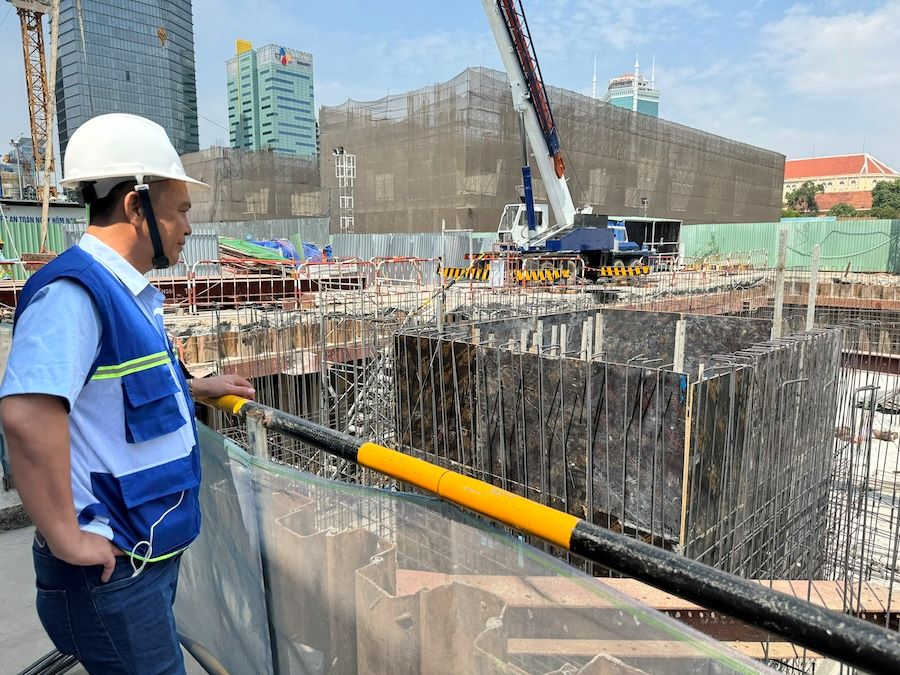
Costs are divided into multiple categories to fully reflect the entire investment and operation process.
This cost includes labor for equipment installation, piping, and electrical systems according to the design. After that, the system is commissioned to check and evaluate its performance. The adjustment process ensures that the system operates stably before handover. This is a necessary step to detect and correct technical errors.
Operating costs include electricity consumption for regularly operating equipment. In addition, there are chemical costs such as PAC, Polymer, and operating labor. Maintenance and periodic servicing costs help maintain efficiency and extend system lifespan. Optimizing operating costs will bring long-term economic efficiency to the project.
Selecting an appropriate estimation method helps ensure the accuracy and feasibility of the wastewater treatment project. Depending on the scale, level of detail, and project stage, different methods may be applied.
This method is based on the average unit investment cost calculated according to treatment capacity (VND/m³/day), usually compiled from similar completed projects. This method is simple, fast, and suitable for pre-feasibility studies or preliminary estimates. However, the accuracy is not high because it does not fully reflect the specific characteristics of each project.
The quantity take-off method is based on the detailed calculation of each work item such as construction, equipment, installation, etc., according to the design drawings. From the specific quantities, costs are determined based on material, labor, and machinery unit prices. This is a highly accurate method, commonly applied during the technical design and construction estimate stage.
Each method has its own advantages and disadvantages; therefore, it should be selected depending on the purpose and project stage. In practice, the unit investment cost method is often used for quick estimation, while quantity take-off is used for detailed budgeting. Combining both methods helps improve reliability and optimize cost management efficiency.
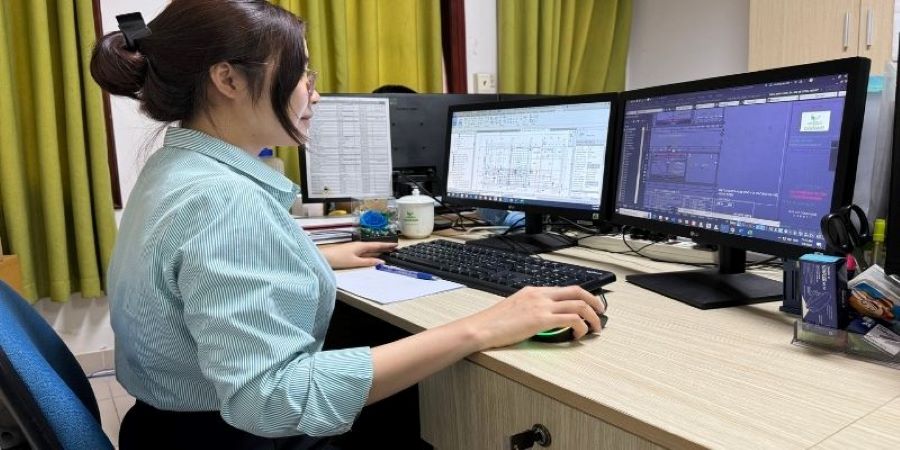
Selecting an appropriate cost estimation method helps ensure project accuracy and feasibility.
When preparing a wastewater treatment system estimate, many factors must be considered to ensure accuracy and minimize financial risks. These important notes help ensure the project is implemented effectively and sustainably in the long term.
It can be seen that cost estimation for a wastewater treatment system is an indispensable step to ensure that the project is implemented effectively, within budget, and in compliance with environmental standards. An accurate and reasonable estimate helps optimize both capital and operating costs, while enhancing the long-term sustainability of the entire system.
With experience in implementing many wastewater treatment systems for residential areas, factories, hospitals, and industrial parks, Dai Nam Environmental Solutions Co., Ltd. provides consultation on technology solutions, detailed cost estimation, and optimization of investment and operating costs suitable for each type of project.