NaOH and NaOCl in wastewater treatment are two strong chemicals widely applied in wastewater treatment processes. With their abilities to neutralize acids and provide powerful disinfection, these two compounds help remove harmful substances and improve water quality. However, when using NaOH in wastewater treatment, careful attention must be paid to dosage and operating procedures to achieve optimal efficiency and ensure safety.
NaOH is a familiar chemical compound, commonly known as caustic soda or sodium hydroxide. It is a very strong base with high reactivity. NaOH typically exists as a white solid, is highly hygroscopic, and dissolves rapidly in water while releasing a significant amount of heat.
In daily life, NaOH is often found in drain cleaners, grease removers, or handmade soap production due to its strong ability to break down fats. In the food industry, it is also used in strictly controlled dosages for cleaning or surface treatment of raw materials.
Also known as sodium hypochlorite, in practical wastewater treatment operations it is often simply referred to as “Sodium.” NaOCl is a common disinfectant chemical used to destroy microorganisms and reduce odors in wastewater. It is a salt of hypochlorous acid and sodium, commonly known in the form of bleaching solutions or disinfectants.
NaOCl has strong oxidizing properties, making it an effective cleaning and disinfection agent in many applications, especially in water treatment, sanitation, and food preservation industries. In addition, NaOCl is also used in the treatment of certain skin conditions and is the main component of fabric bleaching solutions.

Introduction of the two compounds NaOH and NaOCl
NaOH (sodium hydroxide) and NaOCl (sodium hypochlorite) are two chemical compounds that play important roles in wastewater treatment. Each compound has distinct properties and specific functions in removing pollutants and disinfecting water. NaOH is commonly used to adjust the pH of wastewater, while NaOCl is effective in disinfection and sterilization. Below is a comparison table of the properties and functions of NaOH and NaOCl in wastewater treatment:
|
Criteria |
NaOH | NaOCl |
| Properties | A strong alkali, highly corrosive, easily soluble in water. | A strong oxidizing agent with disinfecting and bleaching properties. |
| Function in wastewater treatment | Adjusts wastewater pH, neutralizes acids, improves water quality. Supports coagulation–flocculation indirectly through pH adjustment. | Disinfection, sterilization, elimination of microorganisms, odor removal, and water cleaning. |
| Applications | Used in industrial wastewater treatment to neutralize hazardous substances. | Used in wastewater disinfection, fabric bleaching, and surface cleaning. |
| Usage considerations. | Requires caution due to risk of burns and damage upon contact | Easily decomposes over time; must be stored in dry conditions and protected from light. |
|
Reactivity
|
Reacts with acids to form salts and water. |
Strong disinfectant; easily decomposes at high temperatures. |
|
Special applications
|
Treatment of wastewater containing strong acids from chemical manufacturing industries. |
Treatment of domestic wastewater, hospital wastewater, and odor control. |
|
Storage conditions
|
Dosage must be controlled to avoid excessive pH increase. |
Must be used carefully with materials susceptible to oxidation to avoid damage. |
NaOH, or sodium hydroxide, is commonly used in wastewater treatment to adjust the pH of wastewater. When wastewater has a low pH (acidic), NaOH is added to neutralize it, helping the water reach a suitable pH for subsequent treatment processes.
NaOH is also used to treat organic and inorganic substances, reduce the corrosiveness of wastewater, and assist in removing heavy metals, acidic compounds, and other hazardous substances. The use of NaOH must be carefully controlled to avoid excessive pH increase, which can harm ecosystems. In particular, NaOH should not be dosed directly into biological tanks without proper dilution.
NaOCl, or sodium hypochlorite, is a powerful disinfectant widely used in wastewater treatment to destroy bacteria and pathogenic microorganisms. NaOCl works by releasing chlorine, a strong oxidizing agent that disinfects water and reduces biological contamination risks.
NaOCl solution is diluted with water before being introduced into the treatment system to disinfect and deodorize wastewater, and it can also help improve water clarity. However, NaOCl can decompose over time, so proper storage is necessary to maintain its effectiveness. It should not be used when organic content is still high, as this reduces efficiency and may generate by-products.

How the two compounds are used in the wastewater treatment process
The use of NaOH and NaOCl in wastewater treatment provides many benefits but also comes with certain drawbacks that must be considered. Each compound has its own advantages in treatment and disinfection; however, strict safety measures must be followed to avoid unwanted impacts. Below is a summary of the advantages and disadvantages of these two chemicals in wastewater treatment.
Advantages
|
NaOH |
NaOCl |
| Reduces acidity and adjusts wastewater pH, creating favorable conditions for subsequent treatment processes. | Highly effective in disinfection, sterilization, and odor removal, improving water quality. |
| Strong effectiveness in removing heavy metals and other toxic substances. | Bleaches wastewater and eliminates pathogenic microorganisms. |
|
Easy to use, widely available, and cost-effective for many industrial wastewater applications. |
Saves time and effort in treating domestic and industrial wastewater. |
Disadvantages
Although NaOH is highly effective in pH adjustment and pollutant removal, improper use can cause excessive pH changes that negatively affect aquatic ecosystems. NaOH is highly corrosive and can cause burns or material damage upon contact; therefore, strict safety measures are required during handling and use.
NaOCl can easily decompose over time, reducing its effectiveness during storage, so it must be kept in dry conditions away from sunlight. Overdosing NaOCl may lead to the formation of toxic chlorine by-products such as dioxins, posing risks to the environment and human health. Therefore, precise control of NaOCl dosage is essential to ensure safety and effectiveness.
In summary, both NaOH and NaOCl play important roles in wastewater treatment, each offering distinct advantages and functions. NaOH helps adjust pH and remove toxic substances, while NaOCl is notable for its strong disinfection and sterilization capabilities. However, both chemicals must be used properly and safely to achieve optimal performance and avoid negative environmental and health impacts. Understanding their properties, advantages, disadvantages, and appropriate usage is key to improving wastewater treatment efficiency and protecting the environment and public health.
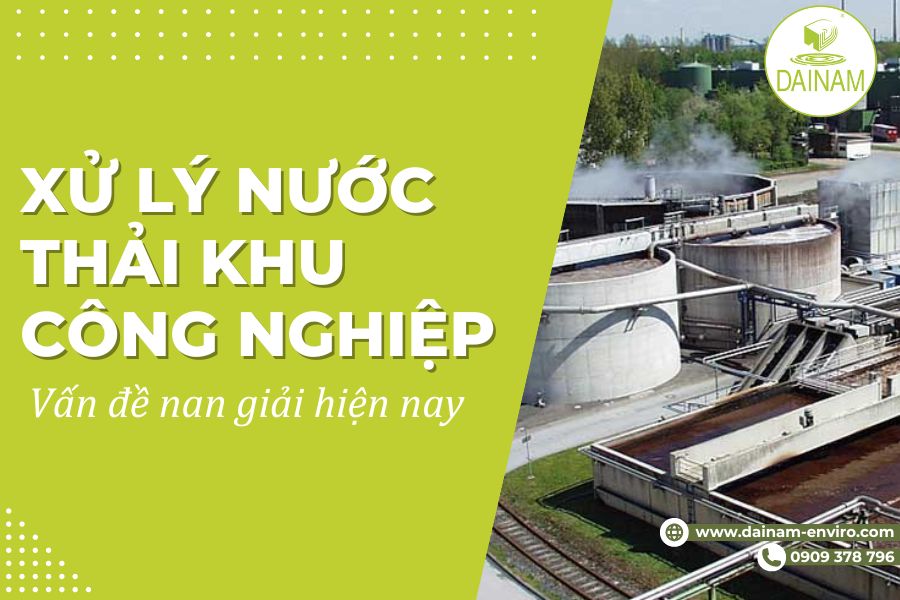
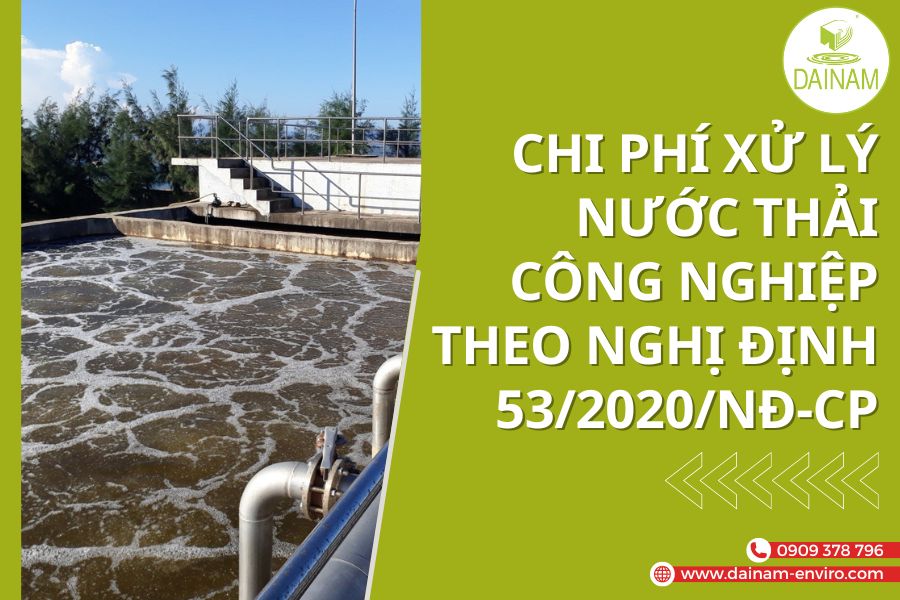
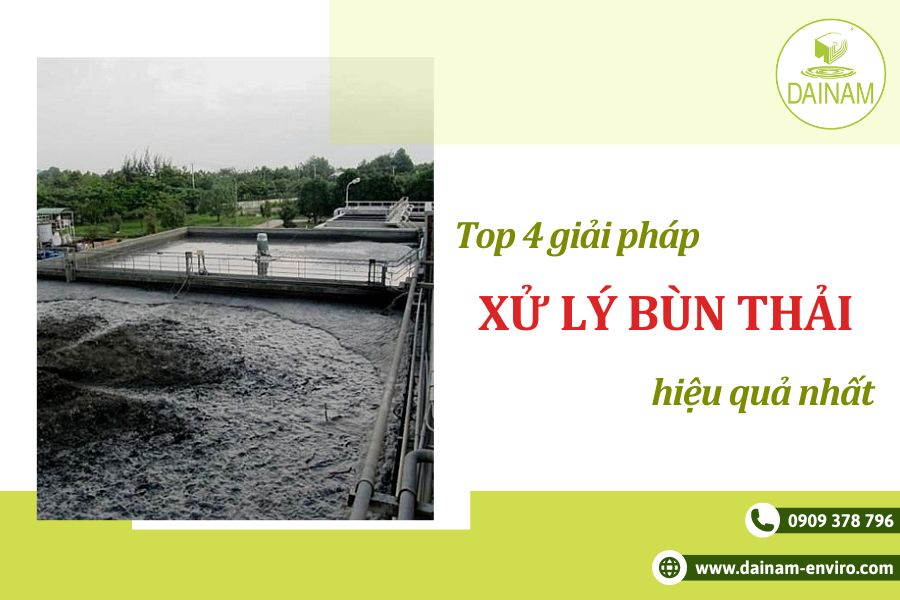
Wastewater treatment systems implemented by Dai Nam are a typical example of the effective application of chemical solutions in domestic and industrial wastewater treatment. Depending on the characteristics of the wastewater source, Dai Nam provides consultancy on the selection and dosage calculation of NaOH and NaOCl to ensure pH adjustment, disinfection, and microbial control in compliance with current environmental standards.

Wastewater treatment implemented by Dai Nam demonstrates the effective application of chemical solutions in domestic and industrial wastewater treatment
In addition, Dai Nam designs and installs automatic chemical dosing systems, enabling the safe, stable, and cost-effective use of NaOH and NaOCl. With practical experience from numerous projects, Dai Nam focuses not only on treatment efficiency but also on chemical safety, equipment durability, and long-term operational reliability, contributing to environmental protection and sustainable development.