Wastewater treatment in metal machining is an important process to protect the environment in the manufacturing industry. Wastewater generated from metal machining activities often contains pollutants such as oil and grease, heavy metals, and toxic chemicals, which can cause serious problems if not properly treated. Therefore, applying effective wastewater treatment methods not only helps minimize negative environmental impacts but also ensures the sustainable development of manufacturing plants.
Wastewater treatment in metal machining is a critical step to prevent environmental pollution caused by wastes generated during production. This wastewater may contain oil and grease, heavy metals, and hazardous chemicals. Proper treatment helps reduce negative impacts on public health and protect ecosystems. The sources of metal machining wastewater include:
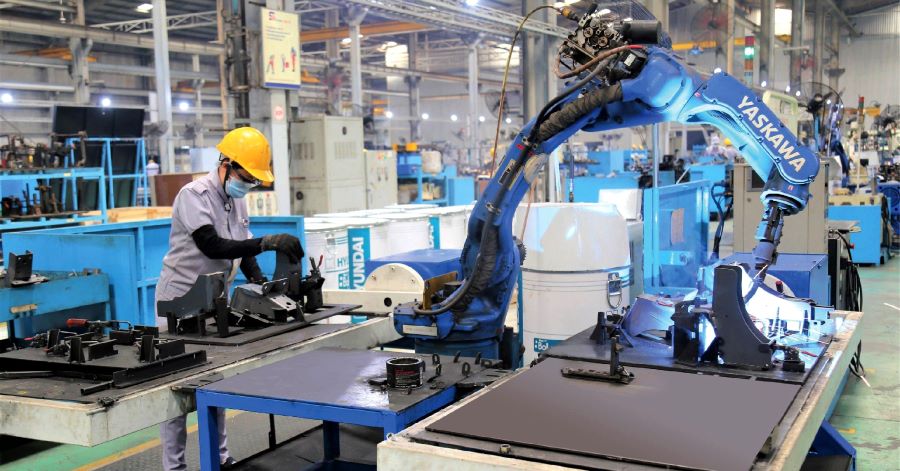
Metal machining wastewater generated during production contains oil and grease, heavy metals, and toxic chemicals
Wastewater from metal machining factories has specific characteristics, often containing pollutants such as oil and grease, heavy metals, and hazardous chemicals. During machining processes, machine parts are commonly lubricated and cooled with oils, causing wastewater to become oil-contaminated. In addition, metal dust and debris may enter the wastewater during cutting and grinding operations. Therefore, this wastewater must be treated carefully to prevent environmental pollution.
The characteristics of metal machining wastewater mainly arise from machining and cleaning processes of metal components. This wastewater typically has unstable pH levels, which may be acidic or alkaline depending on the chemicals used during machining. Furthermore, it carries oil and grease, as well as heavy metals such as copper, zinc, and aluminum, which can be harmful to ecosystems if not properly treated. Proper treatment of metal machining wastewater helps prevent pollution and protect public health.
Untreated metal machining wastewater can cause serious environmental and public health impacts. Pollutants such as oil and grease, heavy metals, and toxic chemicals can infiltrate soil and water sources if not properly treated. This not only affects living organisms but also has long-term impacts on the sustainable development of ecosystems.
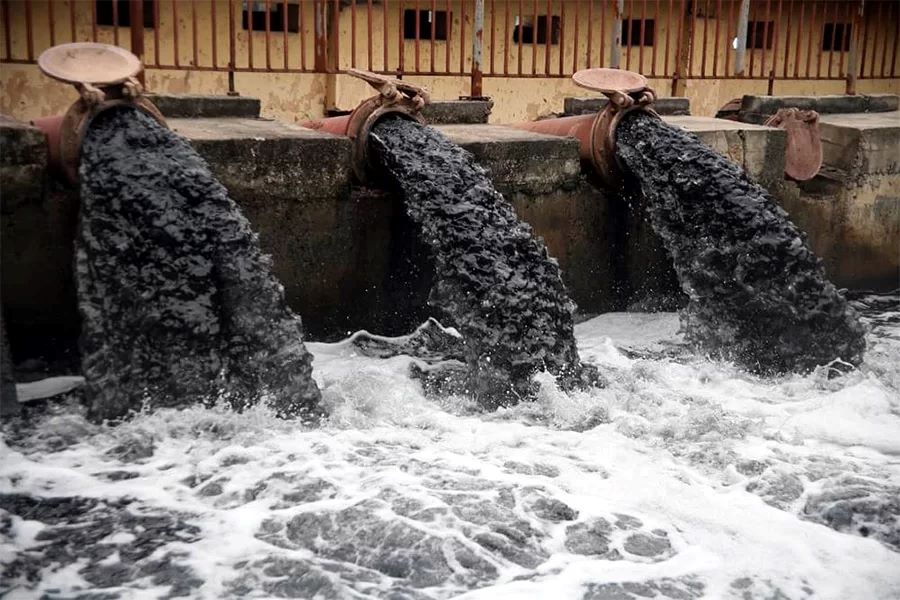
Untreated metal machining wastewater affects the survival of organisms and the sustainable development of ecosystems
If metal machining wastewater is discharged without treatment, it will contain pollutants such as heavy metals, oil and grease, and hazardous chemical compounds. When released into the environment, these substances can contaminate water sources and harm aquatic ecosystems. Fish and aquatic organisms may be severely affected, potentially leading to ecological imbalance.
Metal machining wastewater contains many toxic substances such as heavy metals, oil and grease, and hazardous chemicals. If discharged into the environment without treatment, people may be exposed to toxins through food consumption or direct contact. Long-term exposure to these substances can lead to liver and kidney diseases, nervous system disorders, and even cancer.
Inadequate treatment of metal machining wastewater can result in serious economic consequences. Environmental pollution and water contamination can reduce agricultural productivity, damage ecosystems, and increase healthcare costs. In addition, companies may face remediation expenses due to improper discharge and penalties imposed by environmental authorities.
The wastewater treatment process for metal machining begins with the collection and classification of pollutants present in the water. The wastewater then undergoes mechanical treatment stages such as sedimentation and filtration to remove large solids and suspended matter. Finally, chemical and biological treatment methods are applied to remove oil and grease, heavy metals, and remaining pollutants, ensuring the wastewater meets discharge standards.
The equalization tank plays an important role in treating metal machining wastewater by regulating flow rate and pollutant concentration. It is designed with sufficient retention time to store wastewater generated during peak hours and evenly distribute it to downstream treatment units. The tank also helps control high-strength wastewater and prevents overloading of subsequent treatment processes.
The reaction tank is where metal machining wastewater is treated using the Fenton method, combined with the dosing of sulfuric acid (H₂SO₄) to adjust pH to a range of 2–4. Chemicals such as FeCl₂ and H₂O₂ are added to generate free hydroxyl radicals (•OH), which oxidize organic compounds.
The wastewater then flows to the coagulation tank, where pH is adjusted back to neutral and PAC is added to coagulate impurities. This process continues in the flocculation tank, forming larger flocs that facilitate more efficient separation of pollutants.
After reaction and coagulation, the wastewater is directed to a physicochemical sedimentation tank to separate flocs from the water. Here, the mixture of water and sludge is separated: sludge settles at the bottom and is collected and pumped to a sludge storage tank. The clarified wastewater then proceeds to subsequent treatment stages to ensure compliance with discharge standards.
The disinfection tank plays a critical role in treating metal machining wastewater by eliminating pathogenic microorganisms. Sodium hypochlorite (Javen) is dosed into the tank to disinfect the water and ensure it is free of pathogens before discharge. The disinfection process occurs in two stages: Javen penetrates microbial cell walls and reacts with intracellular enzymes, leading to cell destruction.
Excess sludge from the sedimentation tank is transferred to a sludge storage tank for further stabilization and volume reduction. Sludge decomposition in this tank increases solids concentration and reduces organic content. Periodically, sludge is pumped to a sludge dewatering machine, after which the separated water and dewatered sludge are returned to the equalization tank for further wastewater treatment.
In summary, metal machining wastewater treatment is an indispensable step in the production cycle, helping prevent environmental pollution and protect human health. By applying treatment units such as equalization tanks, reaction tanks, and disinfection tanks, wastewater is purified and meets safety standards before discharge. Investing in effective wastewater treatment technologies not only benefits communities but also helps enterprises comply with environmental protection regulations.

The metal machining wastewater treatment process at Dai Nam ensures wastewater meets standards before being discharged into the environment
The Dai Nam wastewater treatment system is designed with advanced technologies to thoroughly treat pollutants from metal machining wastewater while saving costs and minimizing negative environmental impacts. With a closed-loop treatment process—from the equalization tank to the disinfection tank—the system effectively removes toxic compounds, heavy metals, and organic substances, producing clean wastewater that meets safety standards.
For more detailed information, please contact Hotline: 0909 378 796 for direct and prompt consultation.