Oil and grease in wastewater is one of the common causes that make many treatment systems operate inefficiently and cause the effluent to fail to meet regulatory standards. This issue is particularly significant in restaurants, industrial kitchens, and food processing facilities, where high oil and grease concentrations—if not properly controlled—can quickly lead to exceedances of limits specified in QCVN standards. Understanding the causes, impacts, and appropriate treatment methods is therefore a key factor in ensuring legal compliance and environmental protection.
Oil and grease exceeding the standard refers to the condition where the concentration of animal fats, vegetable oils, or mineral oils in wastewater is higher than the permitted environmental limits. In wastewater, oil and grease can exist in floating form, emulsified form, or attached to suspended solids. According to QCVN 40:2025/BTNMT, the concentration of mineral oil and grease in industrial wastewater is typically limited to about 5–10 mg/L (depending on Column A or B). When analytical results exceed this threshold, the wastewater is considered “non-compliant” and may be subject to penalties.
Common sources of oil and grease include restaurants, hotels, industrial kitchens, food processing plants, slaughterhouses, and seafood processing facilities. These sources usually contain high levels of fats and oils that can easily clog pipelines and reduce treatment efficiency if not controlled properly from the beginning. Therefore, businesses must treat oil and grease in accordance with QCVN 14:2025/BTNMT to ensure wastewater meets the required standards before being discharged into the environment.
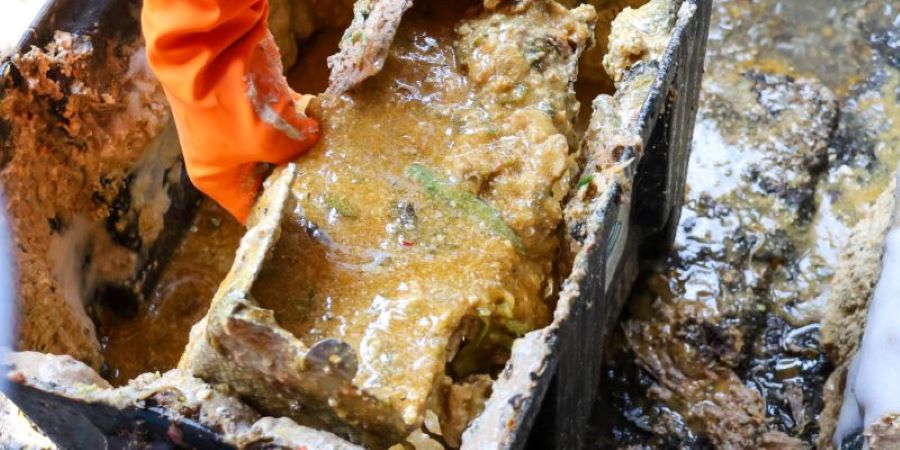
Oil and grease exceed the standard when the concentration of animal fats, vegetable oils, or mineral oils in wastewater is higher than the permitted limits
When oil and grease concentrations in wastewater exceed allowable limits, not only is the treatment system affected, but it also leads to various environmental and legal consequences. Early control is therefore essential to prevent long-term risks for businesses.
Oil and grease exceeding regulatory limits often originates from issues in the design, operation, and management of wastewater treatment systems. Without proper control from the source to the final treatment stage, the overall efficiency of the system can be significantly reduced.
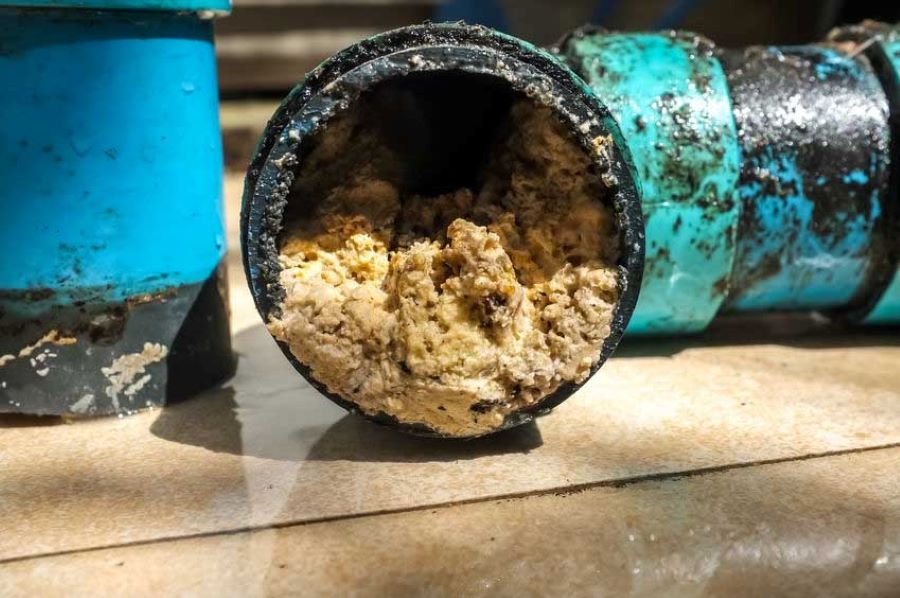
Oil and grease exceeding standards often originate from various operational and management issues
To control excessive oil and grease in wastewater treatment systems, it is essential to select treatment methods suitable for the flow rate, wastewater characteristics, and operational scale. In practice, treatment solutions are usually combined in multiple stages to ensure the effluent meets technical requirements before discharge.
Mechanical methods serve as an important pre-treatment step in wastewater treatment systems, helping remove oil and grease before wastewater enters downstream processes. Common equipment includes three-chamber grease traps, stainless steel grease interceptors installed under sinks, and automatic grease separators with heating and skimming mechanisms.
The advantages include low investment cost, easy operation, and effective load reduction for biological treatment tanks. However, regular cleaning is required to maintain efficiency. This solution is suitable for restaurants, hotels, industrial kitchens, and small-to-medium food processing facilities.
Physicochemical methods are often applied when wastewater contains emulsified oil and grease that cannot be separated effectively by mechanical methods. DAF (Dissolved Air Flotation) technology uses microbubbles to lift oil and grease to the surface, often combined with coagulation–flocculation and demulsifying chemicals to improve treatment efficiency. Although the investment and operating costs are higher than mechanical methods, this approach provides stable oil and grease removal efficiency, especially for industrial wastewater treatment systems with high pollutant loads.
Biological treatment uses specialized microorganisms and enzymes to break down fats into simpler compounds. This solution is typically integrated into biological treatment tanks to reduce residual oil and grease concentrations after pre-treatment. For microorganisms to function effectively, it is necessary to maintain sufficient oxygen levels, stable pH, and avoid sudden oil loading shocks. Appropriate microbial strains should be selected, and periodic monitoring is required to maintain stable microbial populations.
For large-scale systems or facilities with strict discharge requirements, advanced treatment technologies can be applied, integrating multiple automated treatment processes. Technologies such as MBR (Membrane Bioreactor) and MBBR (Moving Bed Biofilm Reactor) improve organic removal efficiency and help control oil and grease more effectively. In addition, electrochemical oil separation is also used in certain specialized industries. These solutions are particularly suitable for industrial parks and factories with large wastewater volumes and long-term requirements for stable effluent quality.
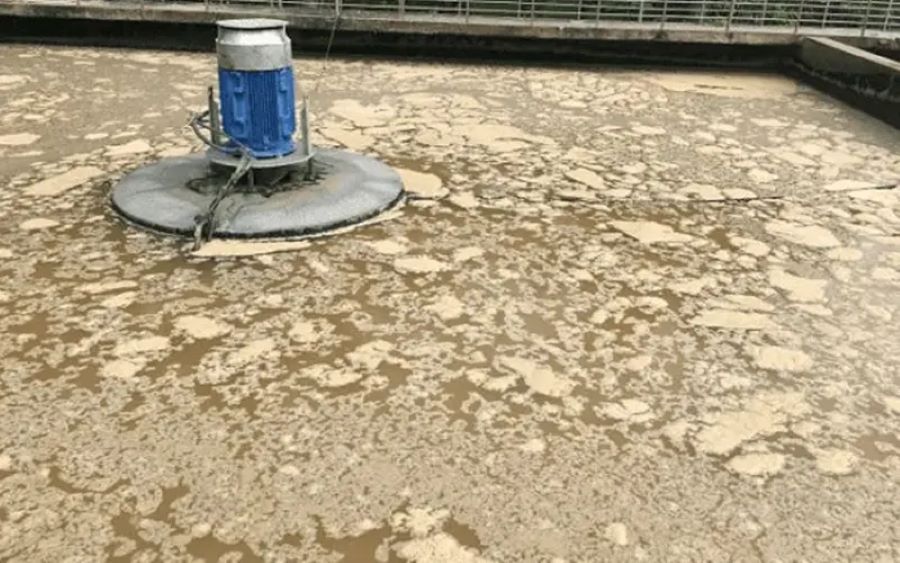
Oil and grease treatment methods should be selected based on flow rate, wastewater characteristics, and operational scale
Controlling excessive oil and grease is not only a legal requirement but also a crucial factor in ensuring the sustainable operation of wastewater treatment systems and reducing long-term operational costs. A combination of appropriate design, proper operation, and regular monitoring will help businesses minimize risks and improve treatment performance. Proactive prevention is always the most effective strategy to ensure wastewater meets regulatory standards before being discharged into the environment.
To ensure stable wastewater treatment system operation and effective oil and grease control from the beginning, choosing a reliable design and construction contractor is essential. Dai Nam Environmental Solutions Company provides comprehensive wastewater treatment solutions—from site survey, system design, and installation to operation and periodic maintenance—ensuring effluent meets current regulatory standards. With experience implementing projects for restaurants, industrial kitchens, and manufacturing plants, Dai Nam helps businesses optimize investment costs, improve treatment efficiency, and minimize compliance risks during long-term operations.