Activated sludge plays a central role in determining operational efficiency and effluent quality in wastewater treatment systems. However, sludge conditions can continuously change under the influence of loading, environmental factors, and operational practices, requiring operators to monitor and identify them in a timely manner. Understanding the signs, indicators, and control methods of sludge not only helps the system operate stably but also reduces risks and optimizes costs.
Sludge is a byproduct generated during wastewater treatment, including suspended solids, microorganisms, and organic and inorganic compounds separated from water. Sludge can originate from various processes such as biological treatment (activated sludge in aerotanks), physico-chemical processes (coagulation, flocculation), or specific industrial wastewater treatment systems. In treatment systems, sludge plays a very important role, especially in units such as biological tanks and settling tanks, where microorganisms in sludge help decompose pollutants and purify water.
Accurately identifying sludge condition is a key factor to ensure stable and efficient system operation. If sludge issues such as sludge washout, floating sludge, or clogging occur, treatment efficiency will significantly decrease and may even cause system failure. In addition, good monitoring and control of sludge condition help optimize operational costs, reduce chemical and energy consumption, and minimize excess sludge treatment costs, thereby improving economic efficiency and system lifespan.
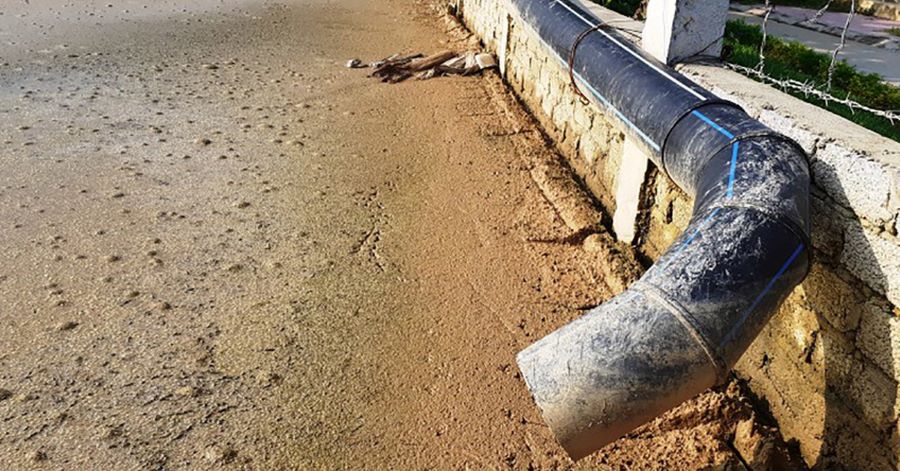
Accurate identification of sludge condition is a key factor for stable and efficient system operation.
Evaluating sludge condition requires multiple groups of indicators to fully reflect system status. These indicators help operators detect problems early and make timely adjustments.
Observing microorganisms (protozoa, filamentous bacteria) and their density and activity helps directly assess the health of the activated sludge system. A balanced presence of microorganisms such as protozoa indicates a stable system, while excessive filamentous bacteria growth may cause sludge bulking or poor settling.
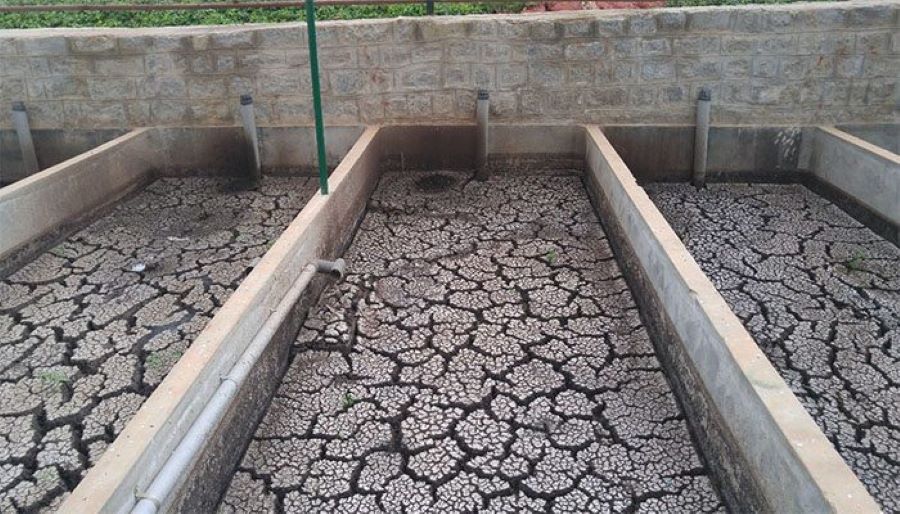
Sludge condition evaluation requires multiple groups of indicators.
During wastewater treatment system operation, activated sludge may change depending on environmental conditions and loading. Early recognition of abnormal signs helps operators make timely adjustments and avoid serious incidents.
Sludge monitoring should be conducted regularly to ensure stable system operation. Proper methods help detect abnormalities early and optimize treatment efficiency.
To maintain wastewater treatment efficiency, controlling and adjusting sludge condition is crucial during operation. Solutions should be applied flexibly based on actual system conditions and monitoring data.
.jpg)
Sludge control and adjustment are extremely important.
The F/M ratio should be maintained at an appropriate level to balance organic load and microorganisms. Too high or too low F/M can lead to young or old sludge, reducing treatment efficiency.
Adjusting return sludge flow helps control sludge concentration in the aerotank. Increasing RAS supplements microorganisms when sludge is insufficient, while decreasing RAS helps prevent sludge overloading.
Maintaining appropriate dissolved oxygen (DO) levels is essential for aerobic microorganisms. Low DO causes oxygen deficiency, while excessively high DO increases operational costs without corresponding benefits.
Regular sludge wasting removes old sludge and maintains stable sludge age. Improper wasting can lead to sludge accumulation, affecting settling ability and treatment performance.
In some cases, microbial systems require additional nutrients or bio-products to restore activity. This is particularly effective when the system experiences shock loading or lacks beneficial microorganisms.
Recognizing and controlling sludge condition is one of the most important skills in operating wastewater treatment systems. By properly monitoring parameters and applying appropriate solutions, operators can maintain stable treatment efficiency, minimize incidents, and extend system lifespan. Proactive sludge management not only improves technical performance but also brings long-term economic and environmental benefits.