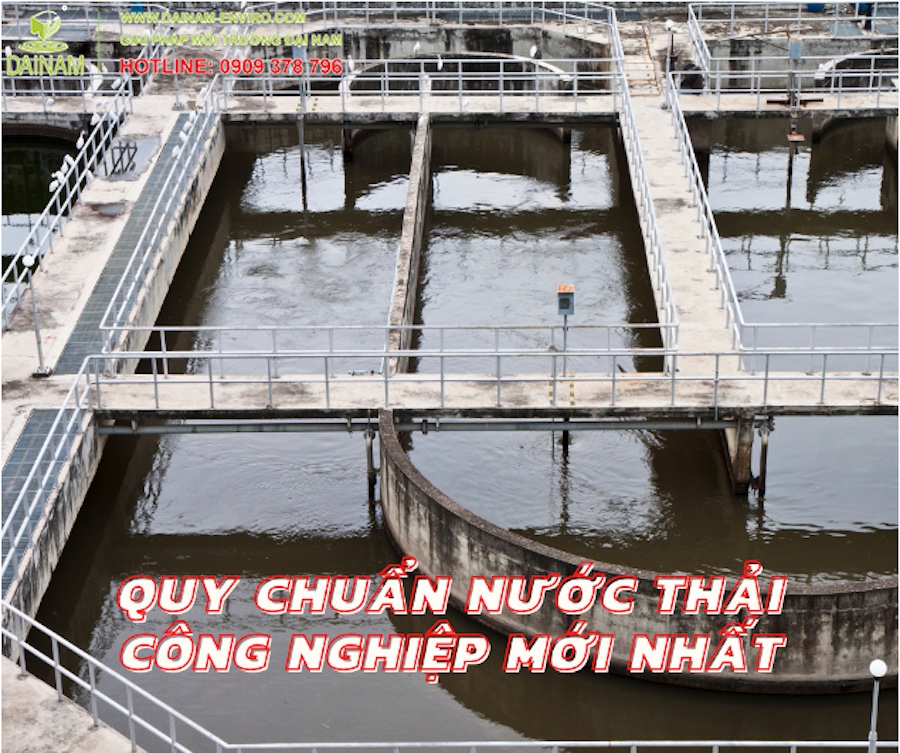
In today’s wastewater treatment systems, microorganisms play a central role in decomposing and removing organic pollutants. However, during operation, the microbial population may decline due to various causes such as shock loading, toxic chemicals, or unstable environmental conditions. At that point, microbial supplementation becomes a necessary solution to restore treatment efficiency and ensure that the effluent quality meets the required standards.
Microorganisms are extremely small living organisms that cannot be seen with the naked eye and require a microscope for observation. They include various groups such as bacteria, fungi, algae, and protozoa. In the natural environment, microorganisms exist everywhere, especially in water, soil, and air. Thanks to their ability to decompose and convert organic substances, they play an important role in many biological processes.
In wastewater treatment systems, microorganisms play a core role in breaking down organic pollutants. They use compounds such as BOD and COD as nutrient sources for growth and development. Through this process, harmful substances are converted into simpler and less hazardous forms. As a result, the quality of treated water is significantly improved before being discharged into the environment.
Common types of microorganisms (aerobic, anaerobic, anoxic)
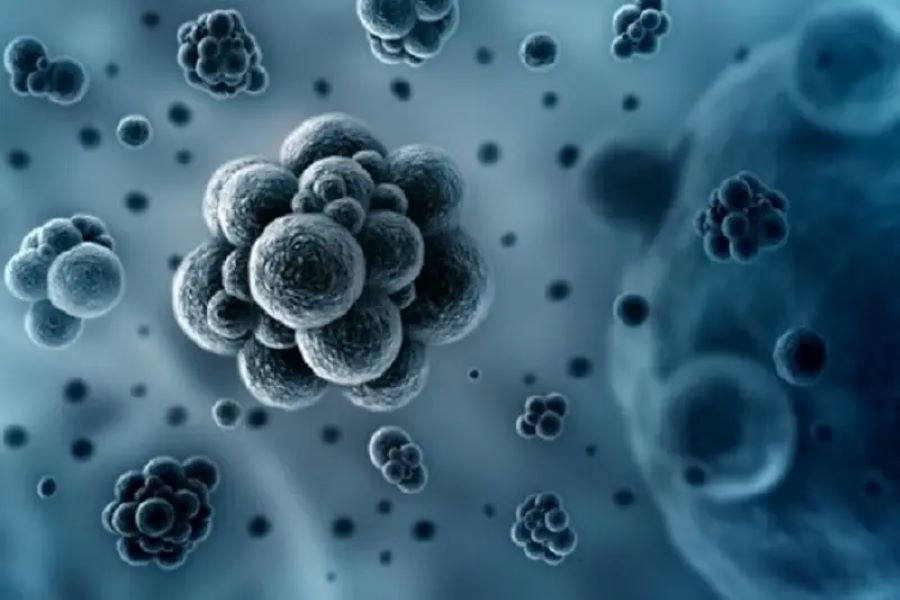
In wastewater treatment systems, microorganisms play a key role in decomposing organic pollutants.
When a wastewater treatment system is not operating effectively, this is often a sign that the microbial population is experiencing issues. Early identification of abnormal signs helps ensure timely microbial supplementation and prevents impacts on effluent quality.
Supplementing microorganisms at the right time helps the wastewater treatment system quickly achieve optimal performance. If carried out promptly, many operational risks and additional costs can be minimized.
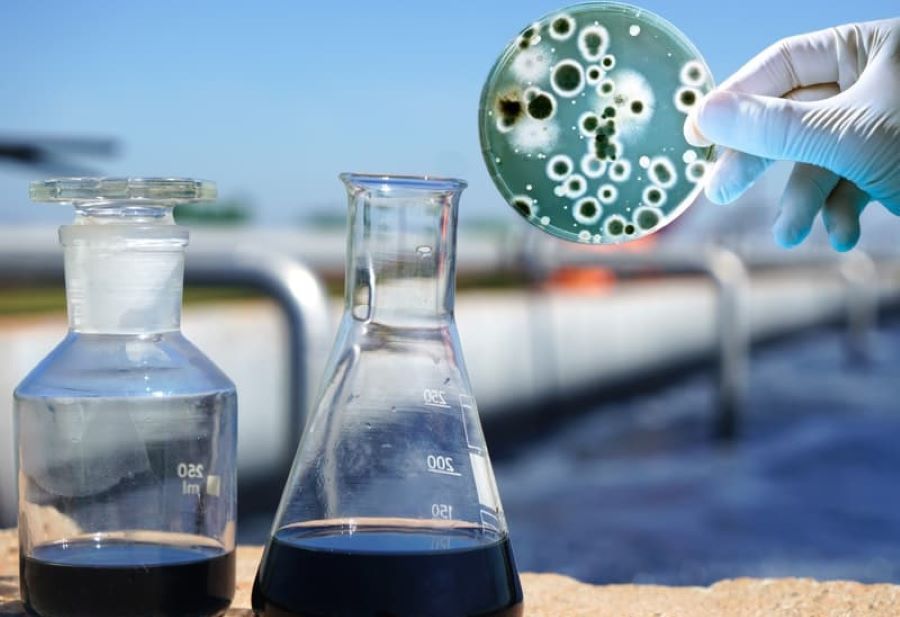
Supplementing microorganisms at the right time helps the wastewater treatment system quickly achieve optimal performance.
At the initial stage of operation, the microbial population has not yet been established or is still very weak. Microbial supplementation helps shorten the acclimation period and quickly establish a stable microbial community. As a result, the system can achieve the desired treatment efficiency sooner.
The cleaning or maintenance process may significantly reduce the microbial population in the tank. This causes the system to lose balance and operate less effectively for a short period. Supplementing microorganisms helps rapidly restore the biological system and stabilize the treatment process.
“Microbial die-off” occurs when most microorganisms are destroyed due to shock loading or toxic chemicals. At that point, the treatment capacity is almost completely lost and needs to be rebuilt from the beginning. Microbial supplementation is the necessary solution to restore system performance.
Factors such as heavy rain or sudden wastewater discharge may alter pH, temperature, and pollutant loading. This directly affects the survival and activity of microorganisms. Supplementing microorganisms after such incidents helps the system quickly regain balance and return to stable operation.
Proper microbial supplementation plays an important role in ensuring wastewater treatment efficiency. If carried out correctly, the system will quickly stabilize and achieve high treatment performance.
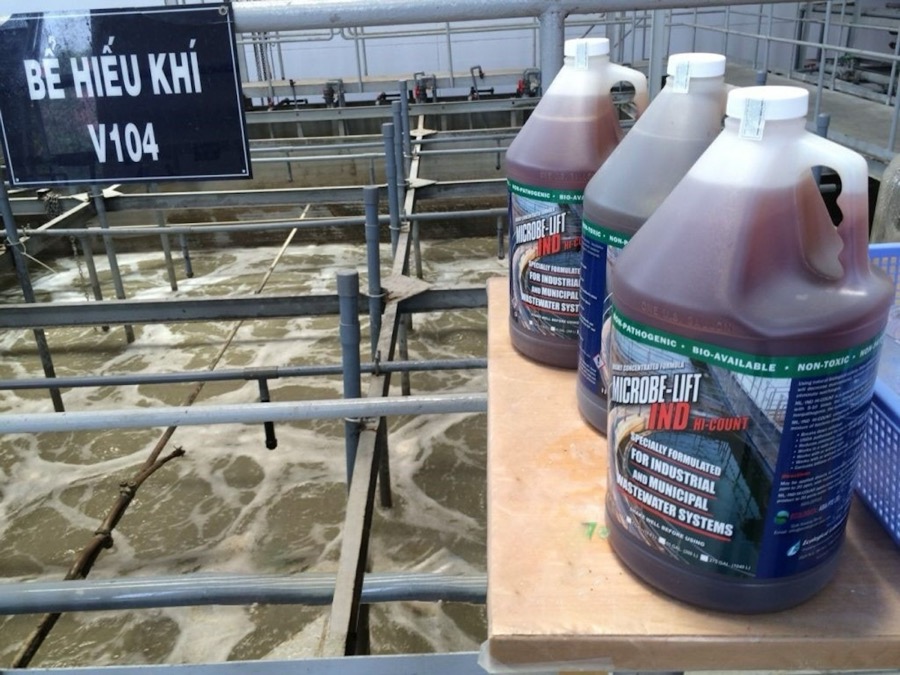
Proper microbial supplementation plays an important role in ensuring wastewater treatment efficiency.
Supplementing microorganisms at the right time and in the correct manner not only helps the wastewater treatment system operate stably but also improves treatment efficiency and reduces operating costs. At the same time, maintaining suitable environmental conditions and conducting regular monitoring will help the microbial population develop sustainably. Therefore, understanding when microbial supplementation is required is a key factor in ensuring the long-term efficiency of the entire system.