Environmental pollution is increasingly rising, and biological wastewater treatment systems play an important role in protecting water resources and ecosystems. To ensure that the system operates effectively and stably, controlling operational parameters is essential. Among these parameters, MLSS is a core indicator that directly reflects the condition of the biological tank and the treatment capacity of microorganisms.
MLSS (Mixed Liquor Suspended Solids) is the total amount of suspended solids present in the mixture of sludge and water in the biological tank of a wastewater treatment system, especially common in the aerotank of the activated sludge process. The components of MLSS include microorganisms, partially decomposed organic substances, and inorganic suspended solids present in the wastewater. The MLSS index reflects the concentration of activated sludge existing in the biological tank, thereby indicating the density of microorganisms participating in the decomposition of pollutants in wastewater.
In the operation of biological wastewater treatment systems, MLSS is usually measured in units of mg/L or g/L and is used as an important parameter to monitor and control the activity of the biological tank. An appropriate MLSS value helps maintain a sufficient amount of microorganisms to break down organic substances in wastewater, ensuring stable treatment efficiency. Maintaining MLSS concentration within an appropriate range also helps the system operate stably and limits incidents such as reduced treatment efficiency or sludge washout from the settling tank.
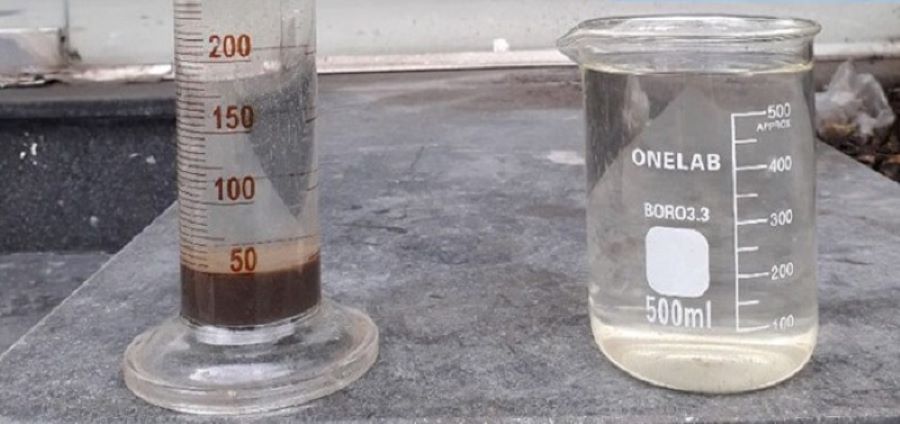
The MLSS index reflects the concentration of activated sludge existing in the biological tank.
MLSS is one of the most important parameters for evaluating and controlling the operation of the biological tank in wastewater treatment systems. Fluctuations in MLSS directly affect treatment efficiency, settling ability, and the overall stability of the entire system.
MLSS represents the concentration of activated sludge in the biological tank, thereby directly reflecting the amount of microorganisms present and participating in the treatment process. Microbial biomass plays a decisive role in decomposing organic substances in wastewater. If MLSS is maintained at an appropriate level, the microbial community will develop stably, ensuring continuous and effective treatment capacity. Conversely, when MLSS does not meet the required level, the decrease in microbial density will significantly reduce the treatment efficiency of the system.
MLSS has a close relationship with the removal efficiency of pollutants in wastewater. When MLSS is maintained at an appropriate level, microorganisms have sufficient conditions to break down organic substances and nutrients, thereby improving the overall treatment efficiency of the system. This significantly enhances the removal of important pollution indicators while ensuring that the effluent meets discharge standards.
The F/M ratio (Food/Microorganism ratio) is an important parameter in the operation of biological tanks and depends directly on MLSS concentration. Changes in MLSS will alter the balance between the amount of “food” (organic matter) and microorganisms, thereby affecting the operating condition of the microbial system and treatment efficiency. If not properly controlled, the system may fall into overload conditions or nutrient deficiency, leading to unstable operation.
MLSS also directly affects the sludge settling ability in the secondary clarifier. When MLSS concentration is not appropriate, the characteristics of sludge flocs change, leading to poor settling or sludge washout, which reduces the quality of treated water. Therefore, controlling MLSS is not only important in the biological tank but also affects the efficiency of the sludge–water separation process.
MLSS concentration directly affects the operating condition and stability of biological wastewater treatment systems. Maintaining MLSS at inappropriate levels, either too low or too high, can cause serious problems during operation and reduce treatment efficiency.
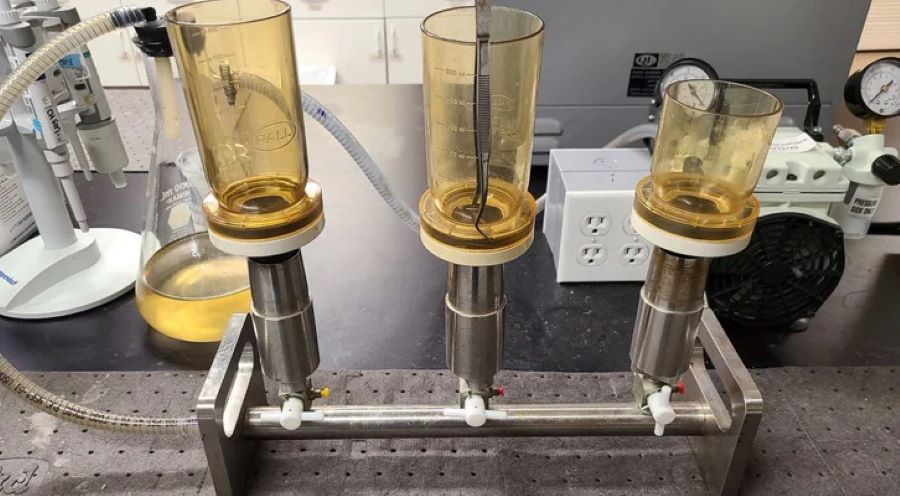
MLSS concentration directly affects the operating condition and stability of biological wastewater treatment systems.
When MLSS is too low, the amount of microorganisms in the biological tank is insufficient to treat the incoming organic load. This causes the system to operate inefficiently and become vulnerable to fluctuations in flow rate or pollutant concentration.
Conversely, when MLSS is too high, the system will face problems related to the physical properties of sludge and oxygen transfer capacity in the biological tank. This not only reduces treatment efficiency but also creates difficulties in system operation and control.
Easily causes sludge aging and bulking: Prolonged high MLSS can lead to sludge aging, reducing microbial activity. At the same time, the sludge floc structure may be disrupted, causing bulking and reducing sludge settling ability.
Controlling MLSS plays an important role in maintaining the stability and efficiency of biological wastewater treatment systems. Through proper monitoring and adjustment, operators can ensure that microbial concentration remains at an optimal level for the treatment process.
MLSS determination is usually carried out by taking a mixed liquor sample directly from the biological tank and then performing laboratory analysis. The sample is filtered through specialized filter paper to retain suspended solids, then dried at a standard temperature and weighed. The result accurately reflects the MLSS concentration in the tank, providing a basis for monitoring and adjusting system operation.
To increase MLSS in the biological tank, more microbial biomass must be retained within the system. This is usually done by reducing the amount of excess sludge (WAS) discharged from the system, allowing activated sludge to accumulate in the tank. In addition, increasing the return activated sludge (RAS) flow from the clarifier to the biological tank also helps raise MLSS concentration, ensuring that the necessary microbial density is maintained for treatment.
Conversely, when MLSS is too high, measures must be taken to reduce sludge concentration in the system. Increasing excess sludge discharge is a direct solution to remove part of the microbial biomass from the system. At the same time, adjusting the return sludge flow (RAS) at an appropriate level also helps control MLSS effectively, preventing excessive sludge accumulation that could affect operational capability and treatment efficiency.

Controlling MLSS plays an important role in maintaining the stability and efficiency of biological wastewater treatment systems.
In summary, MLSS is an important parameter that has a significant influence on the efficiency and stability of biological wastewater treatment systems. Maintaining and adjusting MLSS at an appropriate level not only improves the removal efficiency of pollutants but also limits operational problems. Therefore, effective MLSS control is a key factor in ensuring that the system operates sustainably and meets discharge standards.