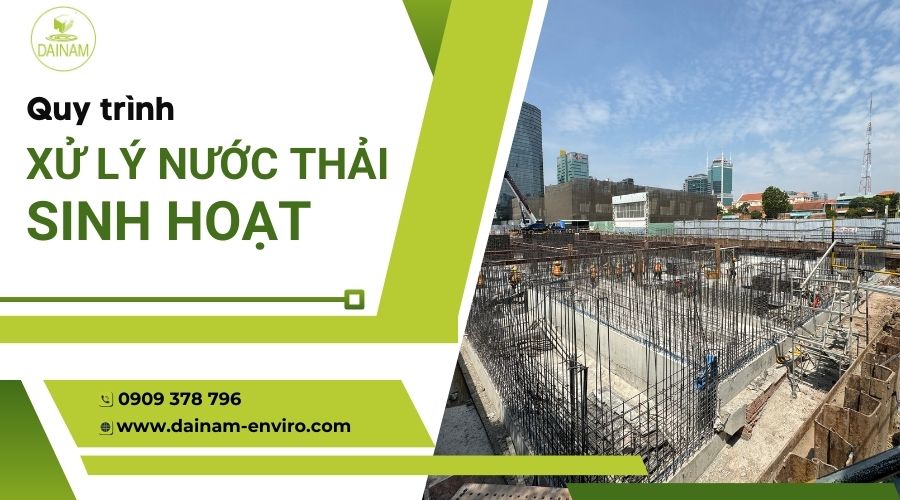
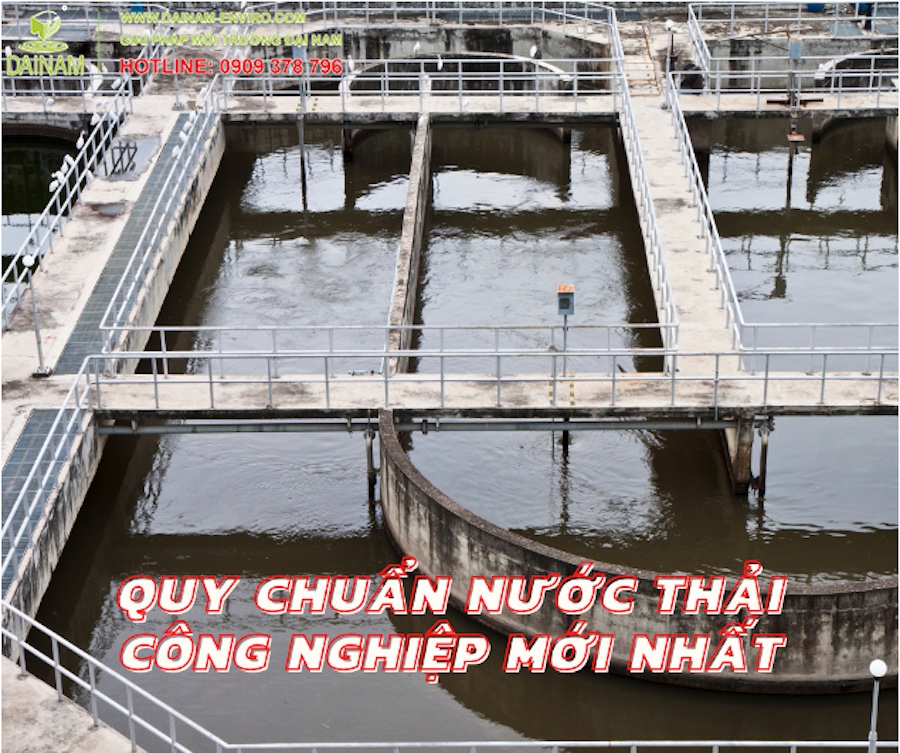
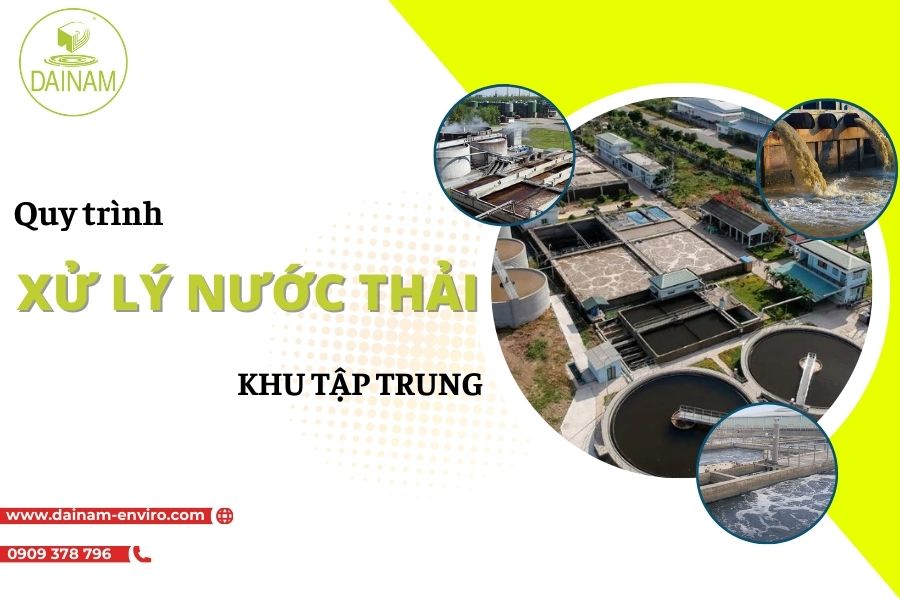
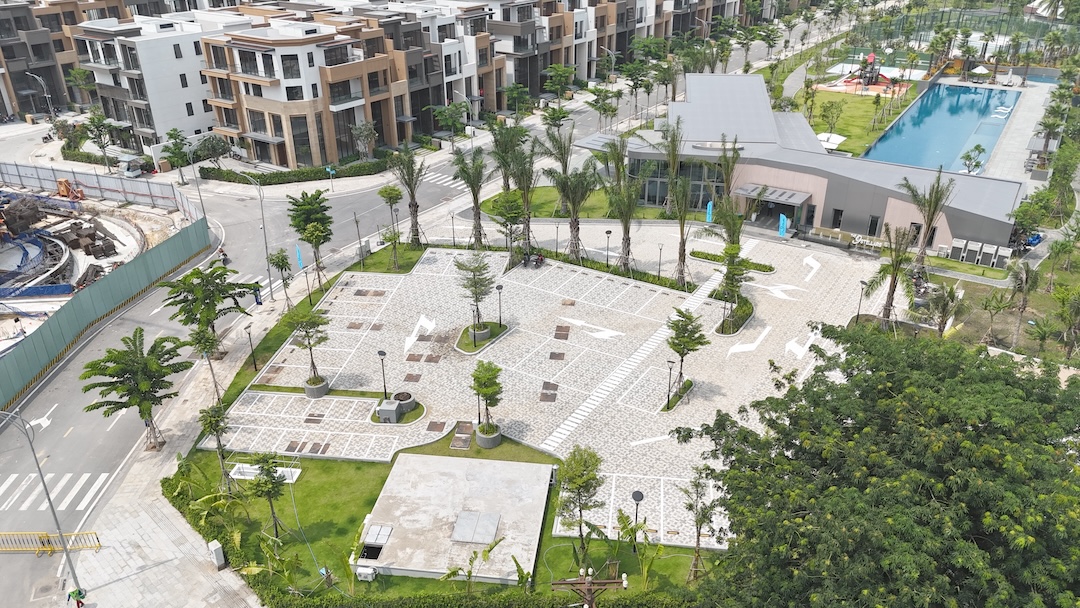
The wastewater treatment system at The 9 Stellar has a capacity of 1,380 m³/day, applying modern biological technology that is environmentally friendly and compliant with Vietnamese environmental standards (QCVN).
The 9 Stellar stands out with its prime location and high-end design, representing a model of a green, modern, and sustainable urban area. In addition to premium amenities for residents, the project places strong emphasis on technical infrastructure investment, in which the wastewater treatment system is considered one of the most important components.
With a capacity of up to 1,380 m³/day, the wastewater treatment system at The 9 Stellar was designed and constructed by Dai Nam Environment Solutions Co., Ltd., applying advanced biological treatment technology to ensure high treatment efficiency, energy savings, and environmental friendliness. This system demonstrates the investor’s commitment to developing a civilized, safe, and environmentally responsible urban community.
Project name: The 9 Stellar
Capacity: 1,380 m³/day
Developer: SonKim Land
Project address: Hoang Huu Nam Street, Long Binh Ward, District 9, Thu Duc City, Ho Chi Minh City
Contractor: Dai Nam Environment Solutions Co., Ltd.
Contractor address: 144 Chu Van An Street, Ward 26, Binh Thanh District, Ho Chi Minh City
The 9 Stellar is a high-end mixed-use complex located in the heart of Thu Duc City — an area oriented to become the eastern innovation hub of Ho Chi Minh City. The project benefits from a prime location adjacent to Metro Line No. 1, providing convenient connectivity to central districts and key economic zones.
Developed by SonKim Land, a reputable brand in the high-end real estate sector, The 9 Stellar offers a wide range of premium amenities such as a commercial center, recreational areas, green parks, infinity pool, and smart living spaces. Each apartment is meticulously designed and constructed to form a modern, civilized, and upscale community.
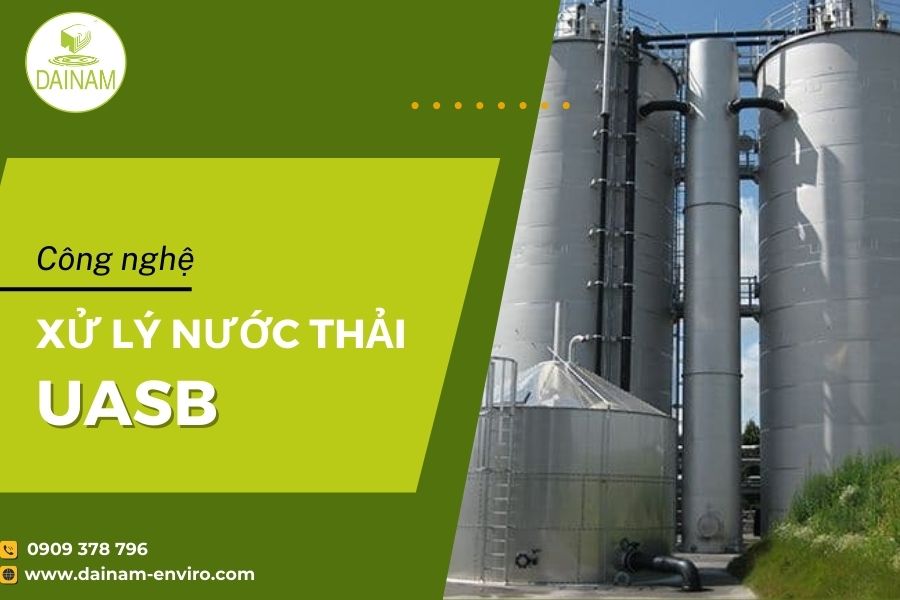
Besides modern architecture and comprehensive amenities, The 9 Stellar is equipped with a wastewater treatment system with a capacity of 1,380 m³/day, ensuring that all domestic and commercial wastewater is treated to required standards before discharge. The system was fully designed and constructed by Dai Nam Environment Solutions, applying AO biological technology (Anoxic – Aerobic) to effectively remove organic pollutants, save energy, and ensure easy operation — a key highlight contributing to a green, smart, and sustainable urban development.
Before entering the system, wastewater passes through a bar screen to remove large debris, preventing pump clogging and pipeline blockage. Wastewater is then pumped to the grease trap.
Domestic wastewater from residential areas is collected into the grease trap. A basket screen removes debris sized 2–5 mm. Since domestic wastewater contains oils and grease, their removal is necessary to meet QCVN 14:2008/BTNMT, Column B.
The grease trap consists of three compartments operating by gravity. Oil floats to the surface due to lower density and is separated. The effluent flows to the equalization tank. Collected grease and solid waste are periodically removed by licensed units.
Designed with sufficient retention time to equalize flow and pollutant concentrations. Functions include peak flow storage, pollutant load control, prevention of system overloading, and partial solids degradation. Diffusers installed at the bottom ensure mixing and prevent anaerobic odor generation.
Denitrification occurs here, converting nitrate and nitrite into nitrogen gas. Wastewater and activated sludge are recirculated from subsequent biological units. Submersible mixers enhance contact between wastewater and biomass.
Wastewater flows from the anoxic tank to aerobic tanks with suspended media. Microorganisms attached to media degrade organic pollutants. Aeration provides oxygen and mixing. Sludge recirculation maintains biomass concentration and supports nitrogen removal.
Separates biological sludge from treated water by gravity. Clarified water flows to disinfection; part of the settled sludge is recirculated, excess sludge goes to sludge storage.
Chlorine or disinfectant is dosed to eliminate pathogens such as coliform. The process includes chemical diffusion into cells and enzyme inactivation.
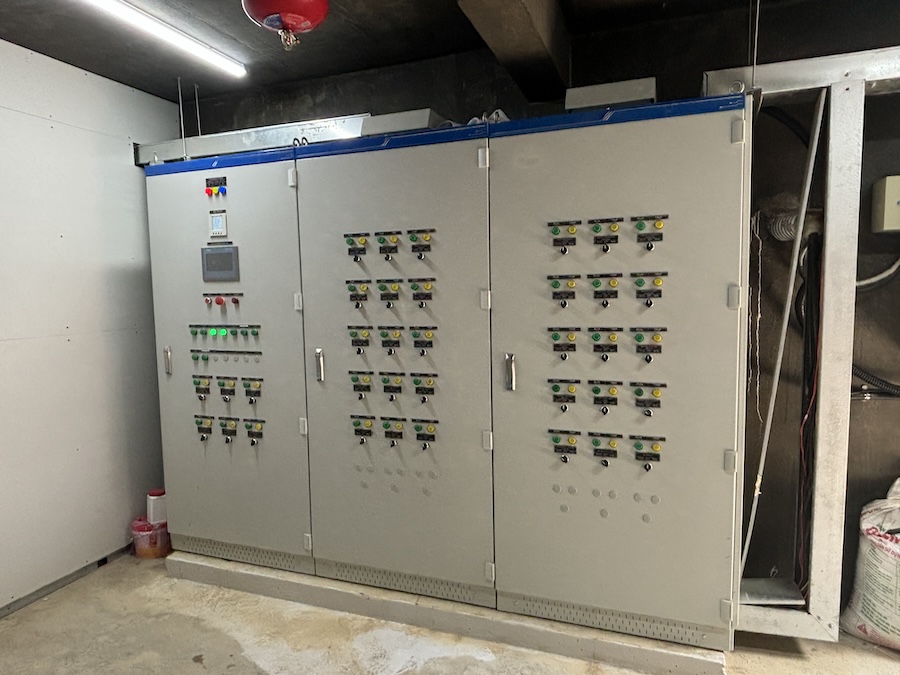
According to Circular 10/2021/TT-BTNMT, treatment plants above 1,000 m³/day must install automatic monitoring systems. Parameters such as pH, COD, TSS, and flow are continuously measured and transmitted to environmental authorities.
Excess sludge undergoes stabilization, reducing organic content and volume before disposal.
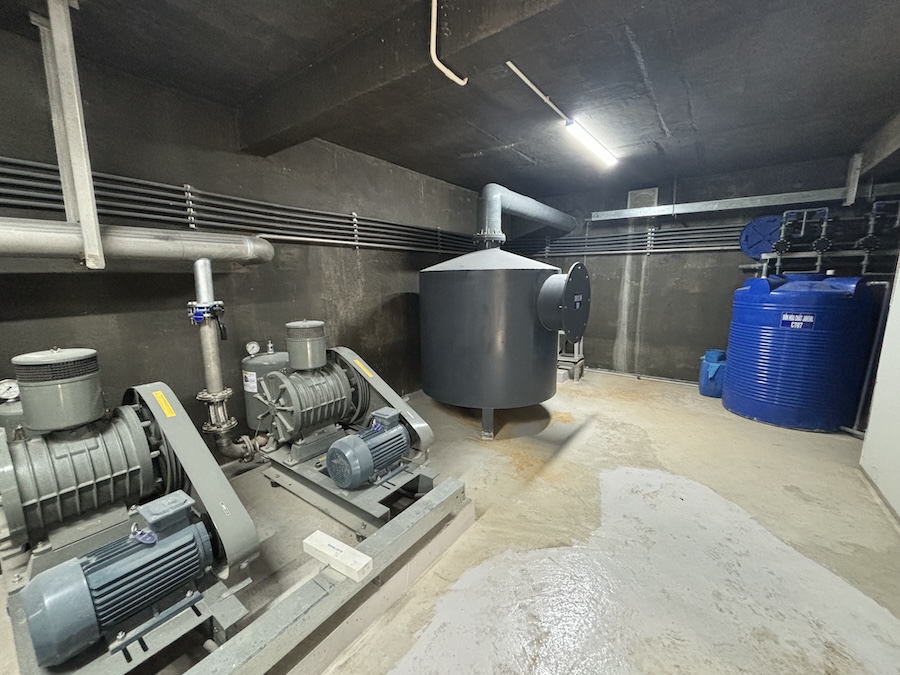
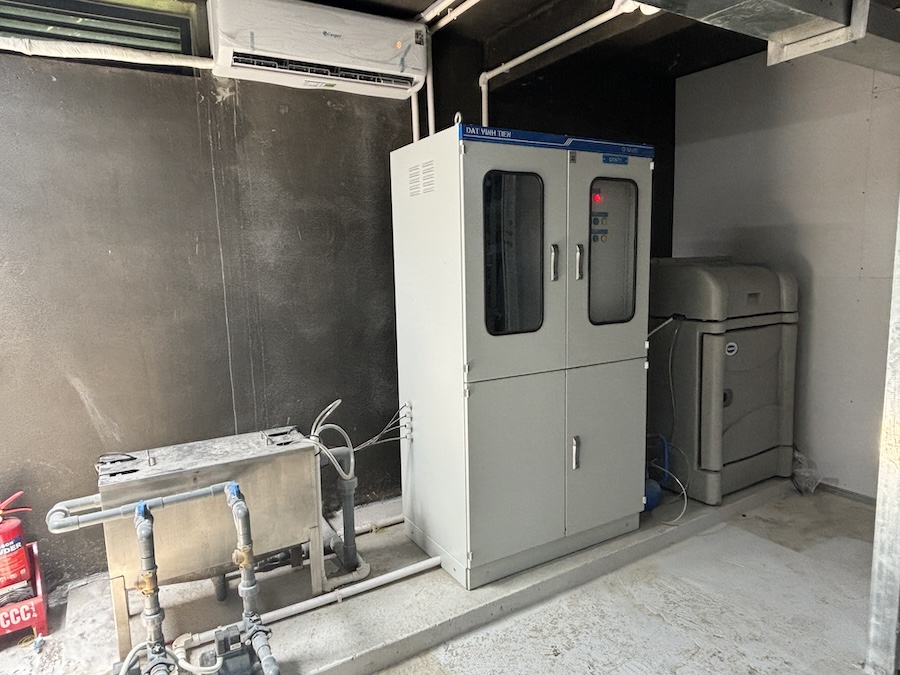
With a capacity of 1,380 m³/day, the wastewater treatment system at The 9 Stellar, designed and built by Dai Nam Environment Solutions, not only applies advanced biological technology for efficient and energy-saving treatment but also reinforces the investor’s sustainable development vision — creating a modern, green, and environmentally friendly urban model for the future.