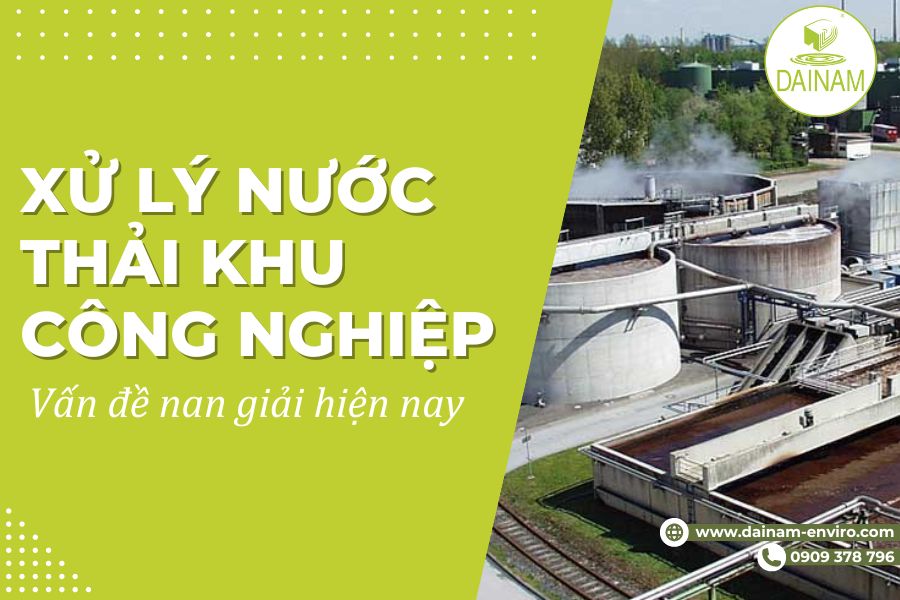
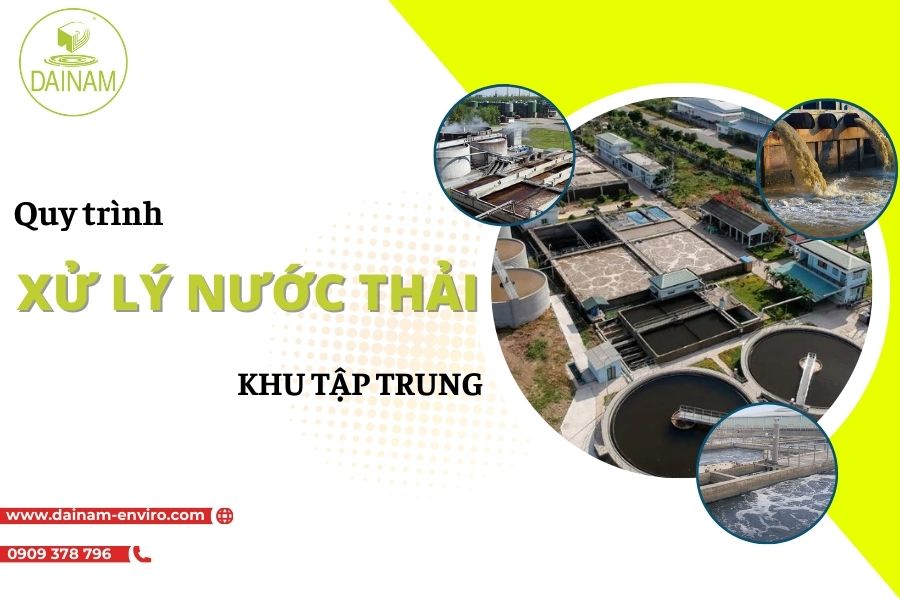
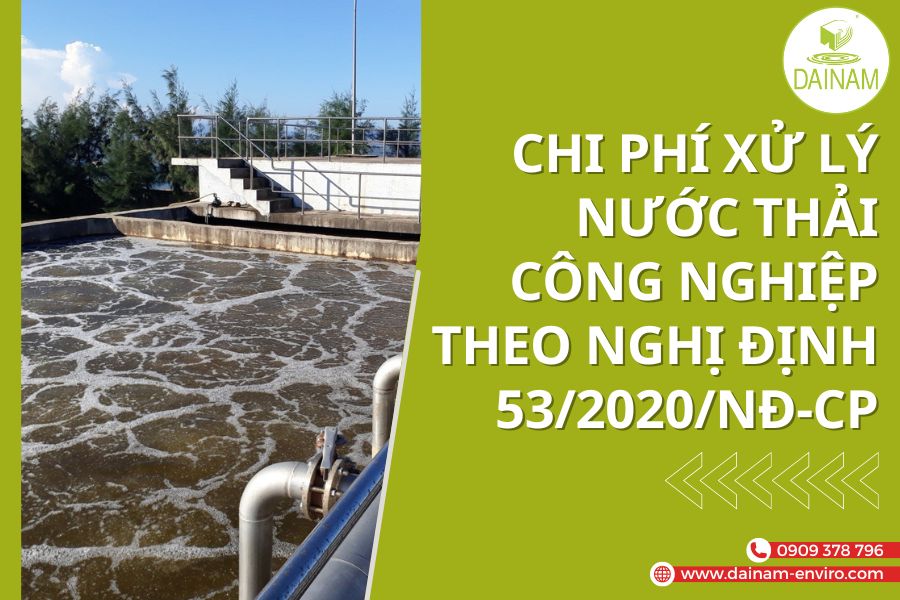
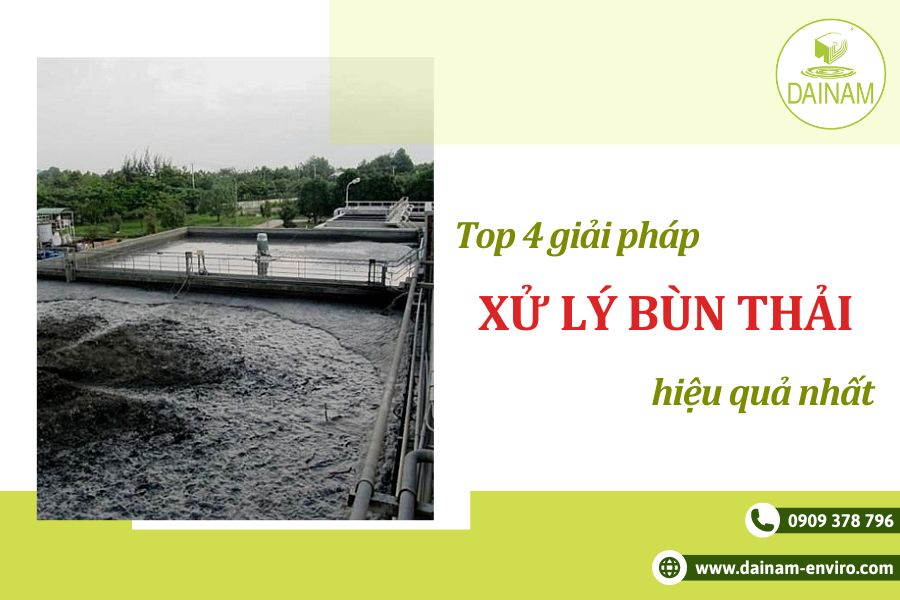
Wastewater treatment into drinking water is becoming an important solution in the context of increasing freshwater scarcity and increasingly evident climate change. Thanks to advances in science and technology, treated wastewater can now meet safety standards for domestic use. Many countries have demonstrated the feasibility and long-term effectiveness of this approach. It is considered a strategic step forward in sustainable water resource management.
In the context of rapid urbanization and the continuous depletion of natural water resources, technologies for converting wastewater into drinking water are receiving significant attention. Currently, modern treatment systems are typically designed in multiple interconnected stages, combining physical, biological, filtration, and disinfection processes to ensure safe effluent quality.
In many developed countries, treated wastewater is not only discharged but also indirectly reused by replenishing surface water or groundwater sources before being further treated into potable water. However, public acceptance and the need for stringent quality control remain major challenges.
In Vietnam, the reuse of treated wastewater is still in the pilot stage. Inadequate infrastructure, high investment costs, and the lack of comprehensive technical standards are key barriers. Quality monitoring and scientific communication have yet to keep pace with practical demands. Nevertheless, the trend toward applying advanced technologies is opening opportunities to improve water security in the future.
Treated wastewater is indirectly reused through replenishment of surface water or groundwater sources
The growing demand for safe water has driven the research and application of many new technologies. These solutions focus on removing impurities, microorganisms, and toxic compounds. Treatment processes are often designed in multiple steps to ensure the highest level of safety for users.
Biological membranes operate based on the growth of beneficial microorganisms attached to the surface of filter media. These microorganisms break down organic matter and reduce pollutant loads in water. This technology is commonly applied in the early stages of converting wastewater into drinking water to enhance the effectiveness of subsequent steps. Its major advantages include energy savings and reduced chemical usage. In addition, biological membranes help stabilize effluent quality.
Ultrafiltration uses membranes with very small pore sizes to retain bacteria and suspended solids. As a result, the filtered water has high clarity and fewer impurities. This technology can operate continuously and is easy to control. UF is typically installed after biological treatment stages to increase safety. It is an important intermediate solution in many modern systems.
RO filtration is considered a deep purification step due to its ability to remove dissolved salts and trace contaminants. This technology produces water with very high purity. In many wastewater-to-drinking-water models, RO plays a decisive role in final water quality. The system requires high pressure and precise operational control. Despite its high cost, RO is still preferred in large-scale projects.
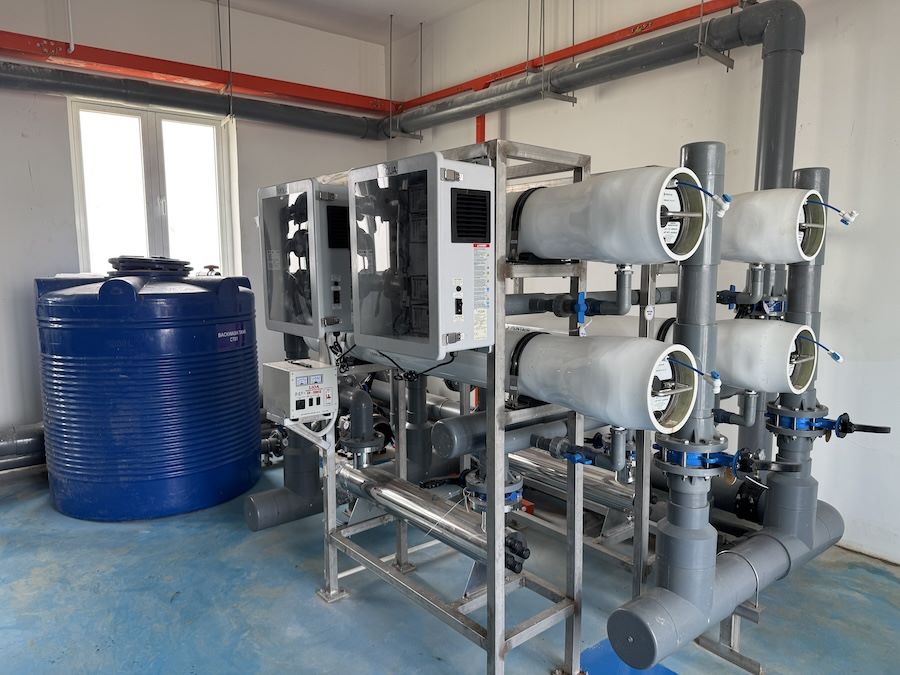
These solutions focus on removing impurities, microorganisms, and toxic compounds
Many countries around the world are facing increasingly severe freshwater scarcity. In response to this challenge, water reuse solutions have been extensively researched and implemented. Learning from international experience opens sustainable pathways for water resource management.
Singapore is a leading example of water reuse due to its limited natural water resources. The government has invested heavily in advanced technologies and strict water quality management. The NEWater program enables wastewater to be treated into drinking water with very high standards, ensuring safety for domestic use. Transparent information sharing has helped build public trust and acceptance of this water source.
In the United States, many states have implemented large-scale water reuse projects. California is a pioneer due to its frequent drought conditions. Several cities have applied indirect potable reuse by supplementing groundwater sources with treated wastewater. This approach helps reduce water shortages and protect the environment over the long term.
Converting wastewater into drinking water not only reduces pressure on natural water sources but also contributes to environmental protection. Appropriate investment in technology, infrastructure, and communication will determine the success of this solution. In the future, water reuse will be an inevitable trend for many countries. It is the key to water security and sustainable development.
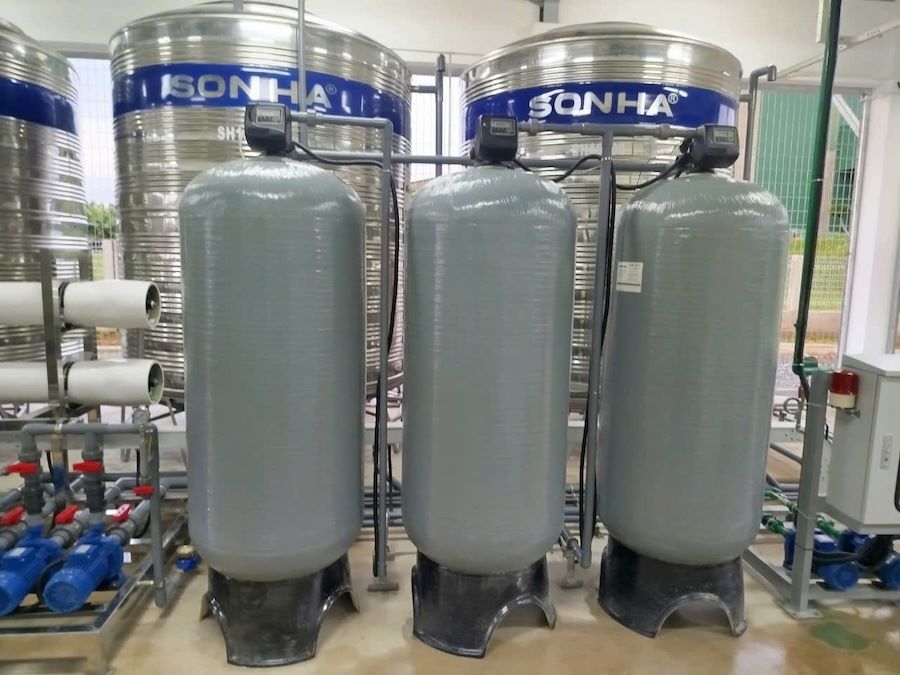
The global trend of wastewater-to-drinking-water treatment applies modern solutions in many countries
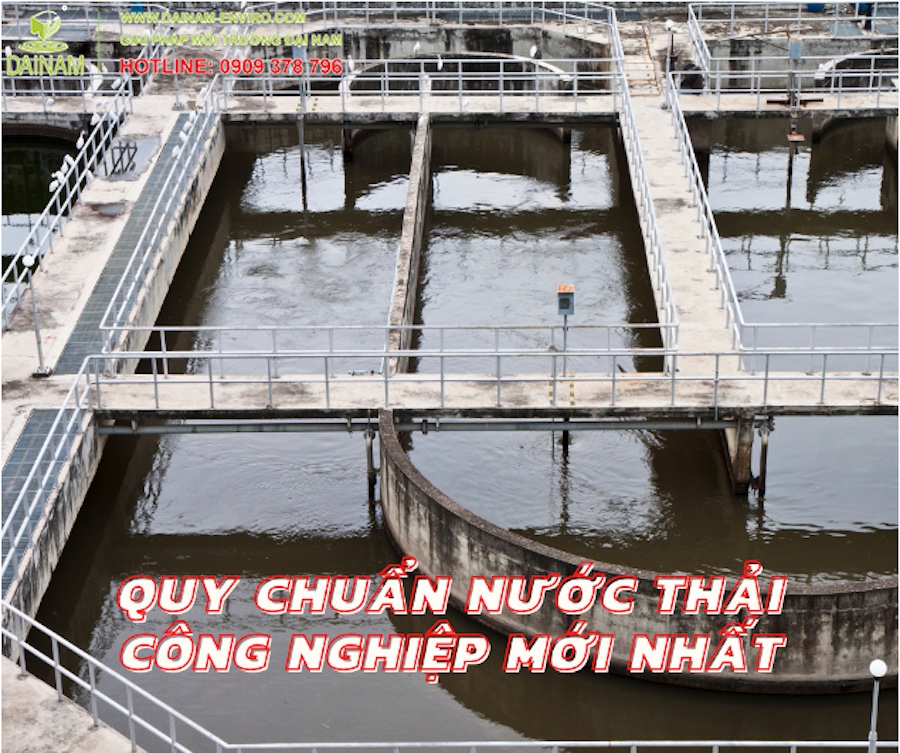
From the global trend of converting wastewater into drinking water, many domestic enterprises have also taken the lead in applying modern solutions to improve water quality and protect the environment. A typical example is the wastewater treatment system at Dai Nam, where advanced technologies are combined with rigorous control processes. This system not only ensures the removal of impurities, microorganisms, and toxic compounds but also enables efficient water reuse for production and domestic purposes.